
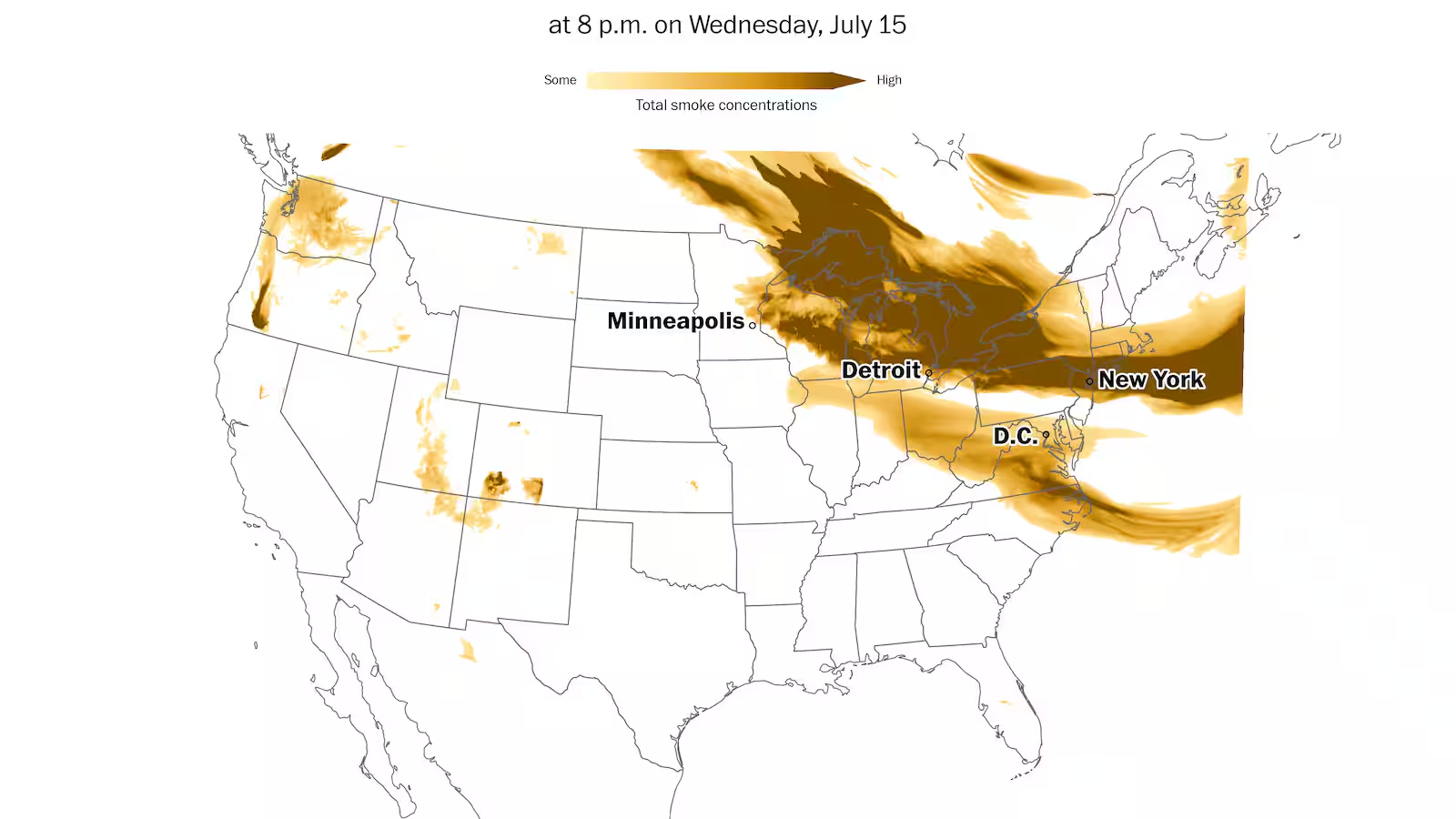
Wildfire smoke is spreading across the Midwest and Northeast, creating unhealthy air conditions for millions of people. More than 100 wildfires are currently burning in Canada, and strong winds are carrying thick smoke into parts of the United States. States like Minnesota, Michigan, Wisconsin, and New York are facing poor air quality, making it important for everyone to take extra care.
Why Is Wildfire Smoke Spreading So Far?
The main reason behind the widespread wildfire smoke is the combination of large fires in Canada and changing wind patterns. At the same time, many areas are experiencing high temperatures and dry weather. These conditions help fires grow faster and allow smoke to travel long distances.
Experts also say that long periods of drought and rising temperatures have created ideal conditions for wildfires. Dry forests and grasslands provide enough fuel for fires to continue burning for weeks or even months.
Areas Most Affected
Air quality warnings have been issued across several parts of North America. Smoke has already affected:
- Minnesota
- Wisconsin
- Michigan
- New York
- Toronto and nearby Canadian regions
- Parts of the Northeast and Midwest
Some forecasts also suggest that smoke may reach areas as far south as Washington, D.C.
Health Risks of Wildfire Smoke
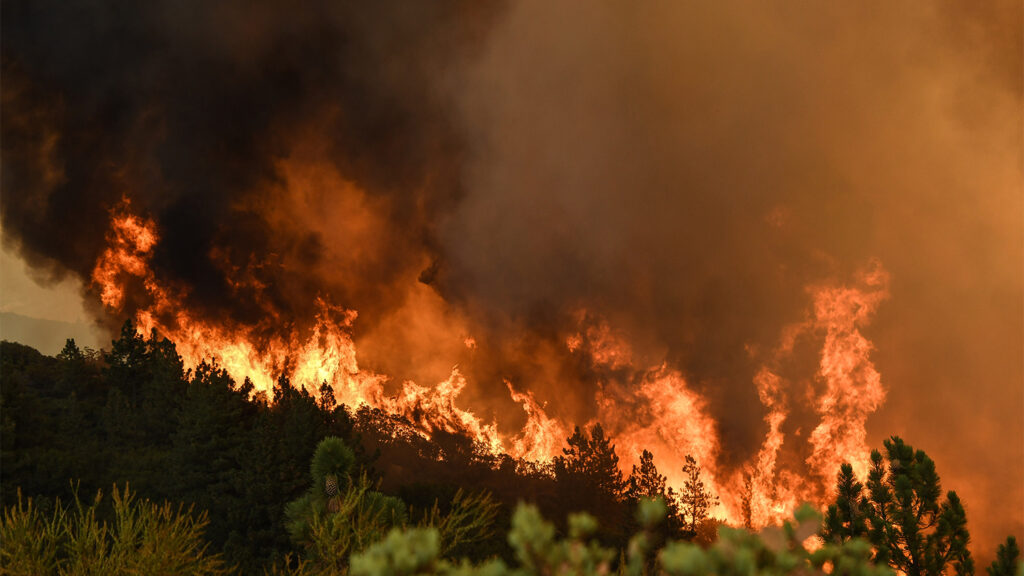
Wildfire smoke contains tiny particles that can enter the lungs and affect breathing. While anyone can feel the effects, some people are at greater risk.
| Healthy Individuals | Sensitive Groups |
|---|---|
| Mild throat irritation | Difficulty breathing |
| Watery eyes | Worsening asthma symptoms |
| Occasional coughing | Heart and lung problems |
| Temporary discomfort | Higher health risk from long exposure |
Children, older adults, pregnant women, and people with heart or lung conditions should be especially careful during poor air quality days.
How to Stay Safe During Wildfire Smoke
There are several simple steps you can take to reduce your exposure to wildfire smoke:
- Stay indoors whenever possible.
- Keep doors and windows closed.
- Use an air conditioner or air purifier if available.
- Wear a properly fitted N95 mask if you must go outside.
- Avoid outdoor exercise until air quality improves.
- Drink plenty of water and watch for breathing problems.
These small actions can help lower the health risks caused by smoke.
Wildfires Continue to Challenge Emergency Teams
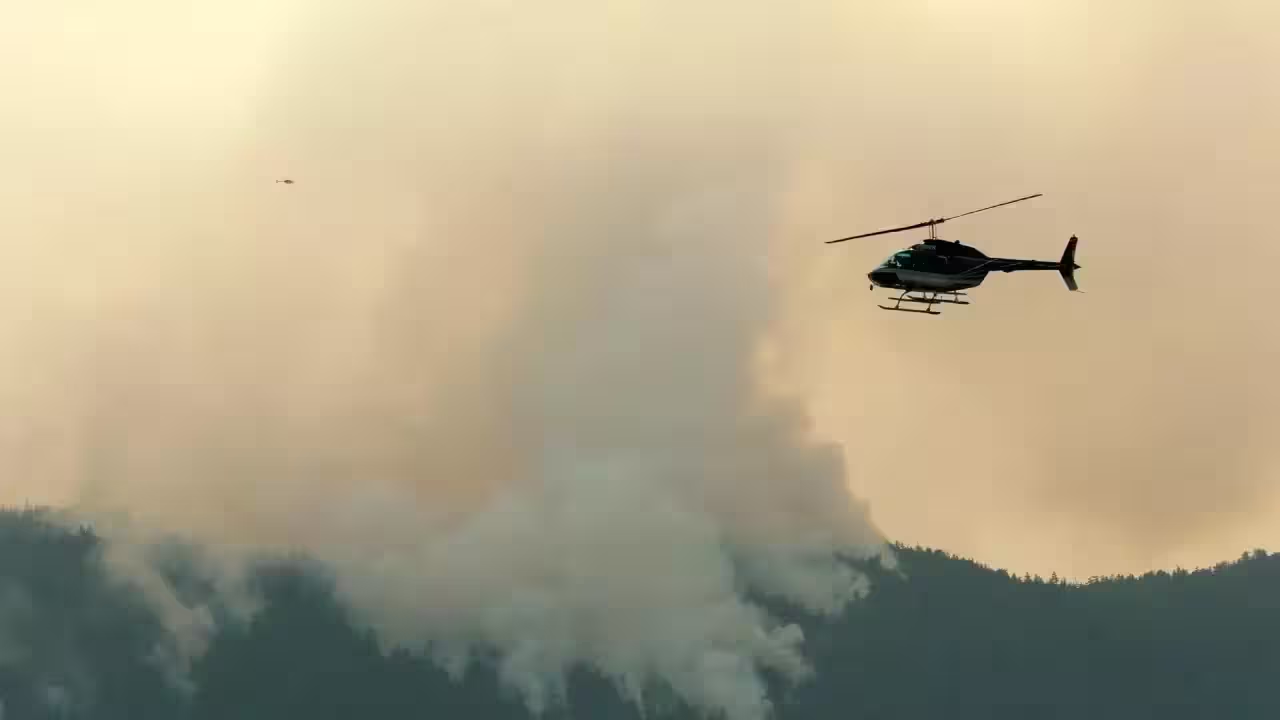
Wildfires are not only affecting air quality but also forcing evacuations in some regions. In northern Minnesota, several lightning-caused fires have led to the closure of popular wilderness areas, with thousands of campers being safely evacuated. Firefighters continue working across multiple states as dry weather keeps the wildfire season active.
Final Thoughts
The current wildfire smoke situation is a reminder that wildfires can impact people far beyond the areas where the fires are burning. Poor air quality can travel hundreds of miles, making it important to stay informed and follow safety advice. By limiting outdoor activities and protecting indoor air, families can reduce health risks until conditions improve. As wildfire season continues, staying prepared and paying attention to local air quality updates can make a big difference.