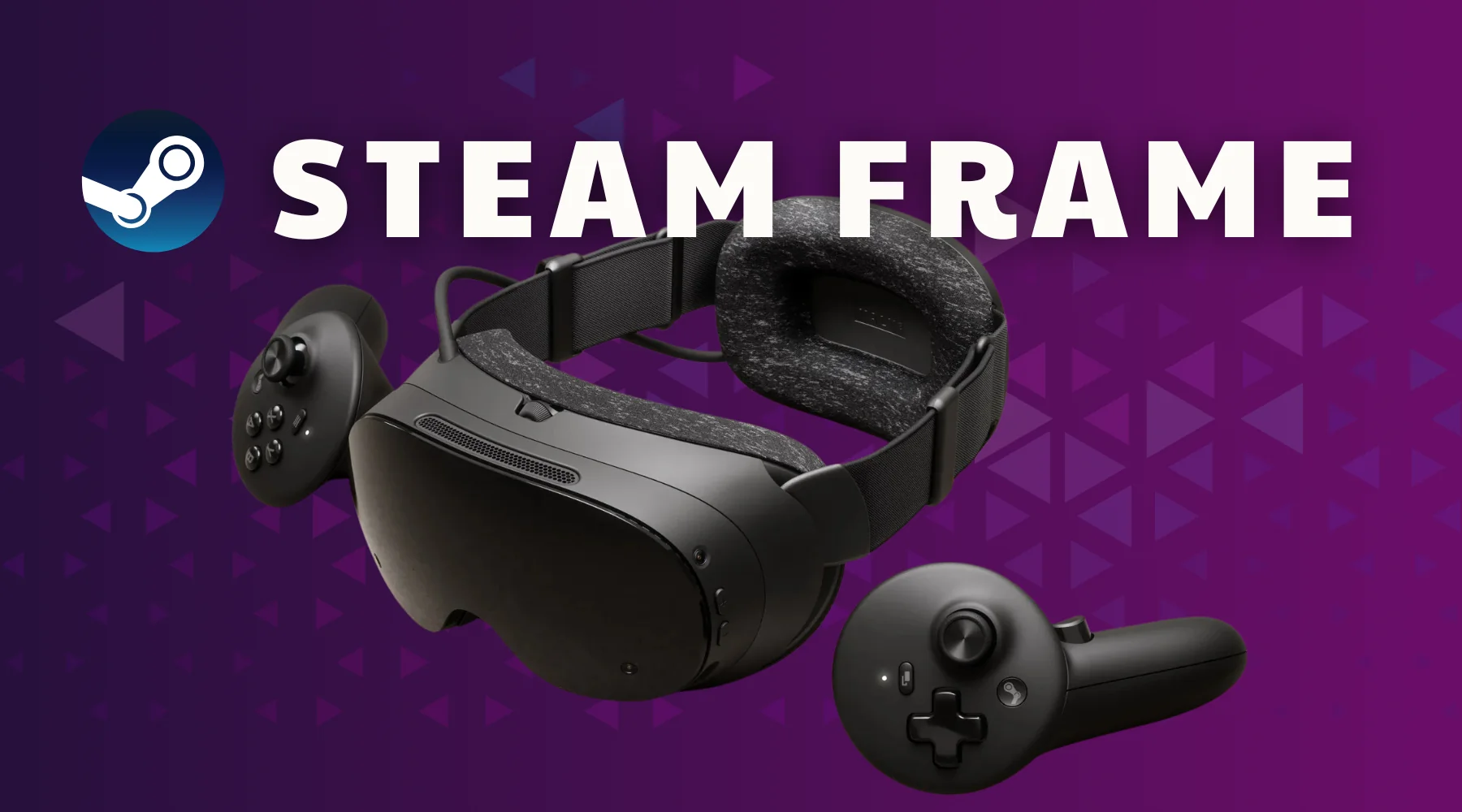
Valve is making a surprising return to virtual reality with the Steam Frame, a new standalone VR headset priced at $1,059. The company once looked like one of the biggest players in PC VR, thanks to the HTC Vive partnership, SteamVR, the Valve Index, and Half-Life: Alyx. But as cheaper standalone headsets became popular, Valve largely stepped away from VR hardware.
The Steam Frame changes that. After spending time with the headset, it feels like Valve has built something that gets several important things right, while still leaving some major problems to solve.
Steam Frame Offers Excellent Comfort
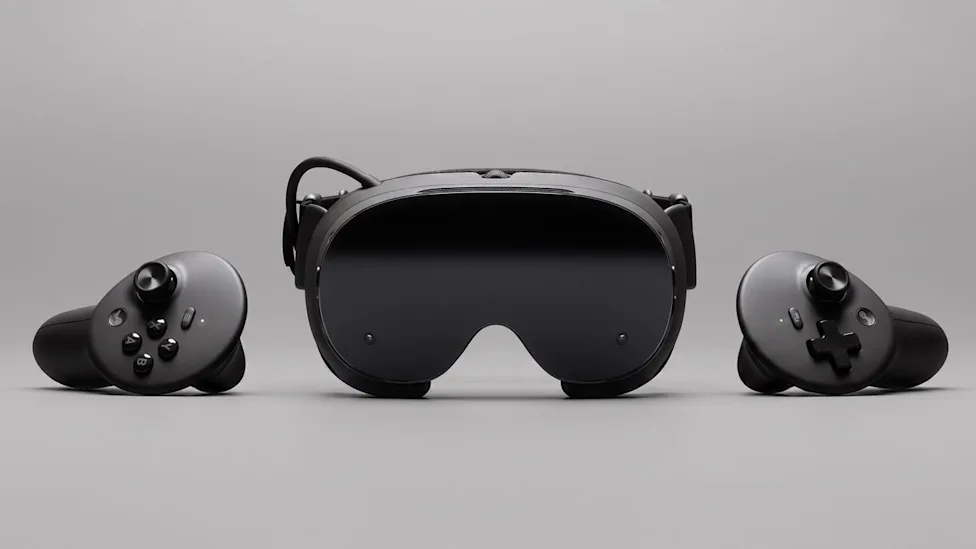
The biggest strength of the Steam Frame is its design. The headset weighs 440 grams, which is noticeably lighter than the 515-gram Meta Quest 3.
More importantly, the weight is distributed much better. The battery sits at the back of the head inside a curved, cushioned pack, while the lenses and computing hardware stay in the front. This creates a useful counterbalance and makes the headset feel lighter than its actual weight.
That design also makes long gaming sessions easier. The headset stays in place during movement and does not constantly pull down on the user’s face.
There are still a few problems. The front cushion can become warm during active games, and the rear battery can make it uncomfortable to lean your head against a headrest. People who wear glasses may also find the headset presses against their frames.
Strong Hardware Meets Some Frustrating Issues
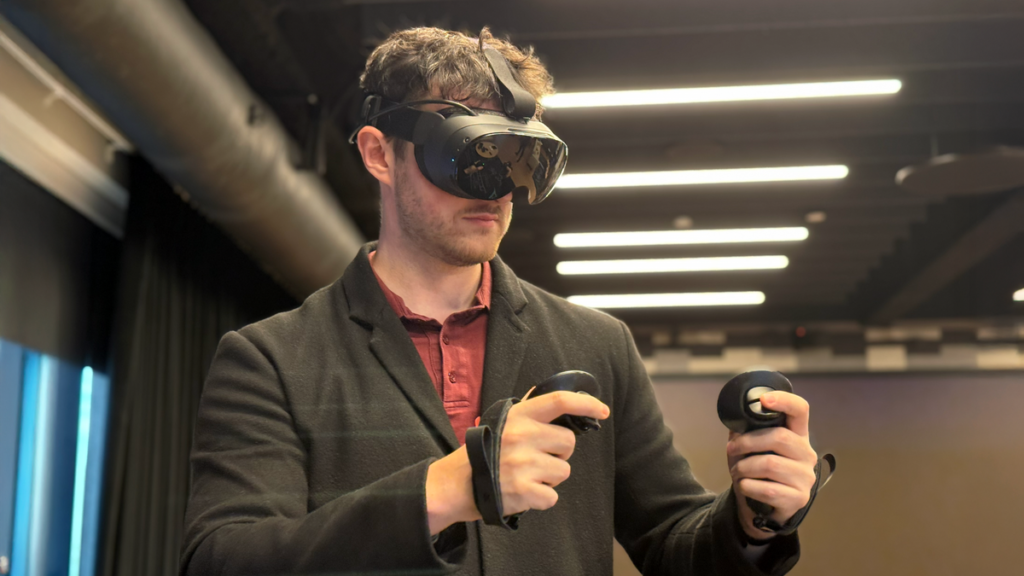
On paper, the Steam Frame has impressive specifications. Its pancake lenses support up to a 144 Hz refresh rate and 2160 × 2160 resolution per eye. It also provides a 110-degree field of view, which helps reduce the narrow “tunnel vision” feeling found on older VR headsets.
Eye tracking, inside-out tracking, and expandable storage through an SD card are also included. Valve has also redesigned its controllers, taking clear inspiration from the popular Meta Quest design.
| Feature | Steam Frame | Meta Quest 3 |
|---|---|---|
| Weight | 440 g | 515 g |
| Max Refresh Rate | 144 Hz | — |
| Resolution | 2160 × 2160 per eye | — |
| Field of View | 110° | — |
| Storage | 256 GB / 1 TB option | — |
However, real-world performance is not perfect. Fast head movements can produce noticeable judder and image ghosting. The tracking is usable, but it does not always feel as smooth as expected from a premium headset.
Battery Life Is the Biggest Problem
The biggest weakness in this Steam Frame review is battery life. In Performance mode, the headset lasts only around an hour and a half during most VR games.
There is a Playtime mode that can extend usage beyond two hours. However, it reduces visual quality and drops the refresh rate to 72 Hz. Games become blurrier, distant objects lose detail, and movement looks less smooth.
The internal fan is another issue. It constantly pushes warm air away from the forehead and creates an audible whine during gaming.
Is the Steam Frame Worth It?
The Steam Frame is an interesting comeback from Valve. Its excellent weight balance, comfortable design, high refresh rate, wide field of view, and modern features show plenty of ambition.
But the $1,059 price makes its weaknesses harder to ignore. Battery life, fan noise, and tracking issues prevent it from feeling like a complete VR experience.
Valve has created a headset that is comfortable and powerful, but not fully polished. If the company can improve battery performance and software stability, the Steam Frame could become a much stronger competitor in the standalone VR market.