Foldable smartphones are becoming an important part of the mobile market, and Google wants Android apps to deliver a better experience on these devices. The company has announced new rules that will require developers to properly support foldable screens starting in April 2027.
Under the new policy, apps that fail to meet Google’s requirements could face restrictions on Google Play. Developers may lose the ability to publish or update their apps, or their apps could receive less visibility in the Play Store.
The move aims to make Android foldable devices more useful by ensuring apps work smoothly across different screen sizes and layouts.
Android Foldable App Support: What Is Changing?
Google is introducing a minimum compatibility standard called Tier 3 – Adaptive Ready. Developers must meet this standard to ensure their apps work properly on foldable devices.
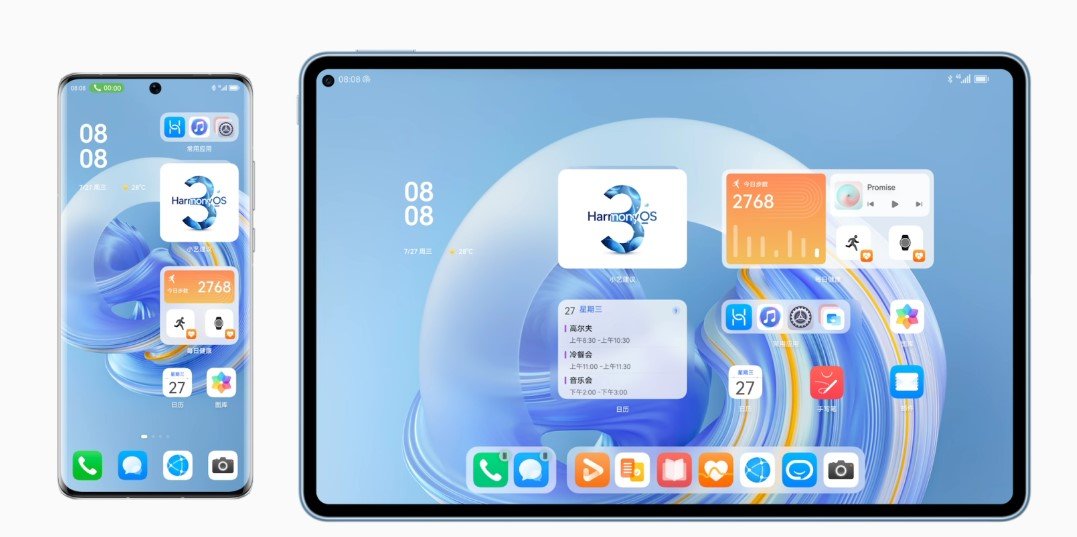
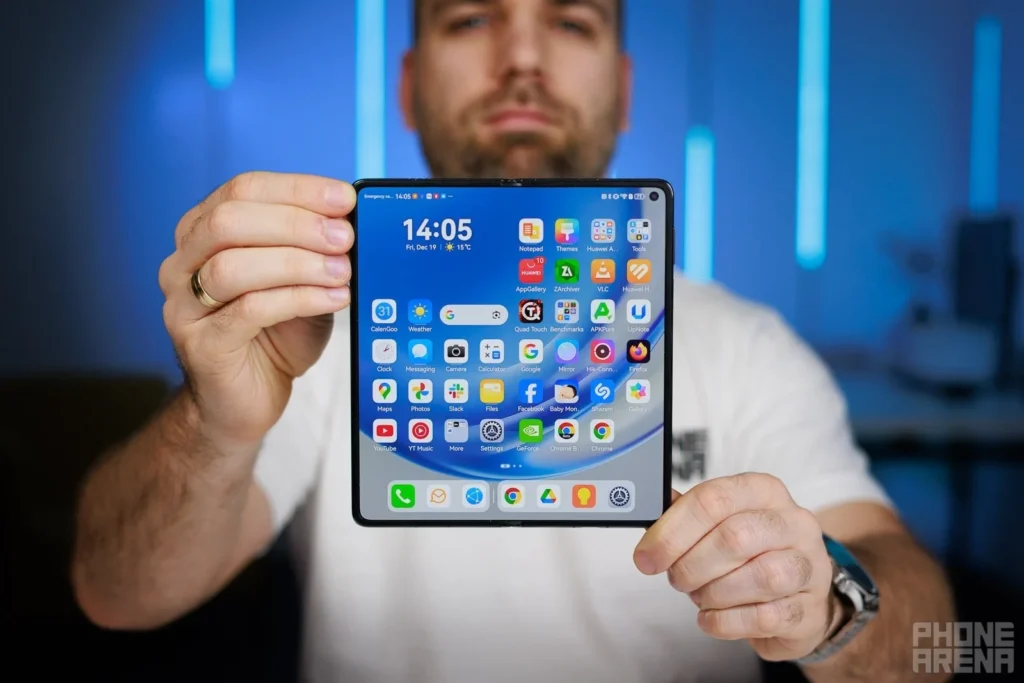
According to Google’s requirements, apps must use the available screen space instead of displaying black bars or running in compatibility modes.
Apps must also maintain their current state when users fold or unfold their phones, rotate the screen, or resize app windows. This includes keeping scroll positions, entered text, and media playback intact.
Another important requirement is support for multi-window environments, allowing users to work with multiple apps at the same time.
Three Levels of Google’s Adaptive App Standards
Google has divided its adaptive app standards into three levels. Each level offers a different degree of optimization for large and foldable screens.
| Adaptive Tier | Main Purpose |
|---|---|
| Tier 1 – Adaptive Optimized | Apps are optimized for larger screens and flexible layouts |
| Tier 2 – Adaptive Differentiated | Apps offer additional features designed for adaptive devices |
| Tier 3 – Adaptive Ready | Apps meet the minimum compatibility requirements |
Tier 3 will become mandatory for Android app developers under the April 2027 deadline.
Google Sets Different Deadlines for Apps and Games
Google has provided separate deadlines for regular apps and games.
Regular Android apps must meet the new requirements by April 2027. Developers will also need to add three screenshots showing how their apps look on foldable devices.
Game developers will get additional time to update their titles. Their deadline for meeting the foldable compatibility requirements is August 2027. However, they must still provide three foldable screenshots for their Google Play listings starting in April 2027.
Google also plans to extend similar requirements to other large-screen devices, including tablets and Googlebook laptops, in future phases.
Apple’s Foldable iPhone Adds More Competition
Google’s announcement comes shortly after Apple introduced its foldable iPhone Duo. According to the report, Apple’s new device already has more than 200,000 optimized apps, although some developers are still adapting to its new screen design.
This creates additional pressure on Android to deliver a consistent foldable experience.
By introducing stricter app requirements, Google wants developers to take foldable compatibility more seriously instead of simply stretching existing apps to fit larger displays.
What This Means for Android Users
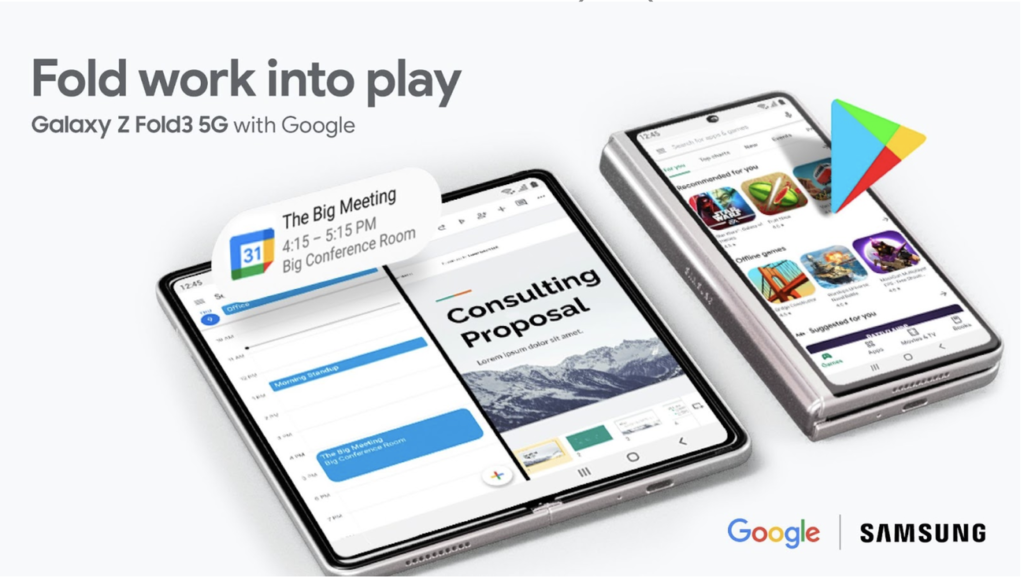
These changes could make Android foldable phones more practical for everyday use. Users can expect apps to make better use of larger screens, handle multitasking more smoothly, and maintain their progress when switching between folded and unfolded modes.
For developers, the new rules mean additional testing and design work. However, they also create an opportunity to build better experiences for the growing foldable device market.
Overall, Google’s new policy is an important step toward improving Android foldable app support. Starting in 2027, developers will need to do more than make their apps run on foldable phones. They will need to make sure those apps actually work well on them.