
Big Tech companies have long positioned themselves as champions of free speech and digital connection. Social media and major platforms promised open communication, equal reach, and opportunities for everyone. Over time, however, reality has diverged sharply from that promise. Many users now experience shadow banning, demonetization, or sudden account suspensions, often without explanation or recourse.
The Federal Trade Commission’s recent announcement of a formal inquiry into platform censorship may not instantly change policies, but it marks a turning point. By soliciting public comment and investigating alleged moderation abuses, the FTC is acknowledging that platforms have used their power to control visibility and speech. This signals that the era of unchecked Big Tech control may be shifting.
Modern platform moderation often operates quietly and inconsistently. Algorithms determine what content is promoted or suppressed. “Community standards,” often cited as neutral rules, can be applied arbitrarily, giving corporations de facto authority over who gets to speak. As a result, engagement increasingly depends on compliance rather than merit, and users gradually realize that their content is shaped more by algorithms than by genuine audience interest.
The FTC probe highlights the broader consequences of this control. When platforms dominate visibility and distribution, independent creators, niche communities, and alternative voices struggle to be seen. Decentralized and transparent platforms offer a contrast, providing creators with more control over reach, monetization, and audience engagement.
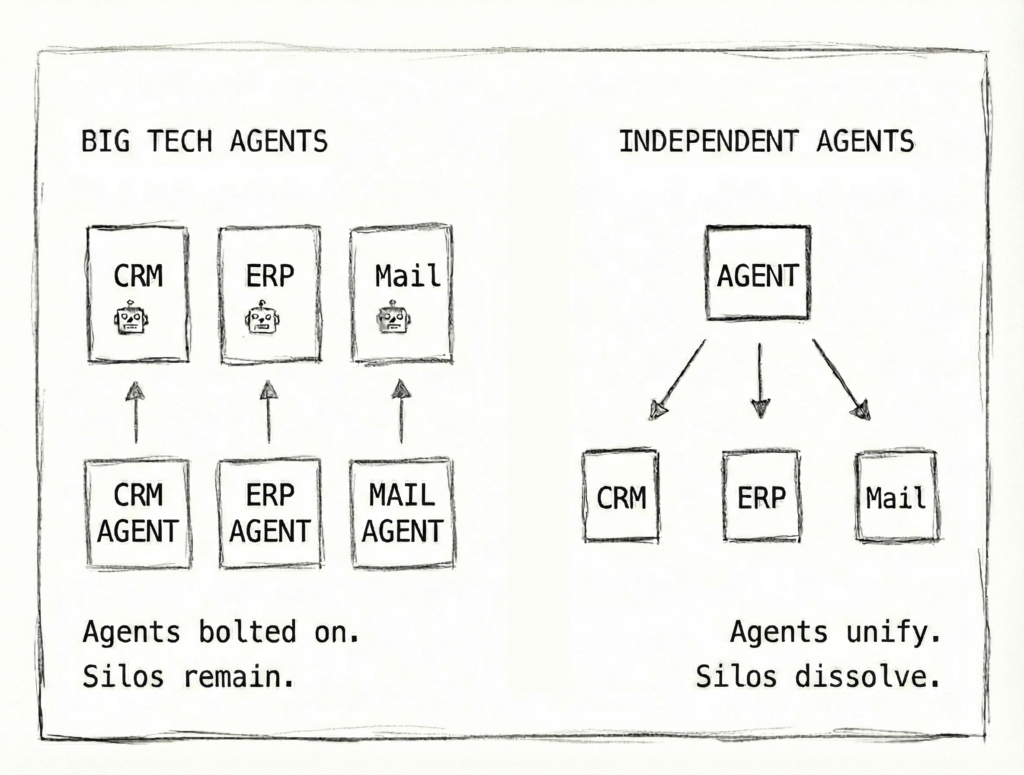
| Big Tech Platforms | Independent Platforms |
|---|---|
| Algorithm-driven visibility | Community-driven reach |
| Opaque moderation policies | Transparent guidelines |
| Platform-controlled monetization | Creator-owned revenue |
| Centralized power over content | Decentralized networks |
This comparison shows why diversifying platforms is now critical for creators and communities. Relying solely on one corporate-controlled system risks losing audience, income, or influence overnight. Independent networks and forums offer stability, transparency, and more genuine engagement.
If Big Tech loses some of its dominance, several outcomes are likely. Monopoly over distribution and exposure could decline, while independent voices gain more influence. Users may regain trust in platforms that allow free expression. Transparency and accountability could become the norm rather than the exception. Most importantly, creativity may thrive outside the algorithmic chokehold that currently dictates trends and visibility.
For creators and users, this is a pivotal moment. Avoid depending entirely on single platforms for identity, reach, or income. Support independent creators, alternative forums, and decentralized networks. Document censorship incidents, advocate for transparency, and engage in public comment processes like the FTC’s inquiry.
Big Tech’s power has been less about innovation and more about controlling attention, data, and distribution. The FTC probe is a public challenge to that control. Whether or not it leads to immediate reform, it signals that the monopoly over online speech is being questioned.
The era of unchecked algorithmic authority may be ending. Users, creators, and regulators now have an opportunity to reclaim free speech and reshape the digital landscape for a fairer, more transparent future.