

Russia has taken another strong step to control online communication by blocking WhatsApp across the country. The move has left millions of users confused and concerned, especially those who rely on the app for daily conversations, business communication, and staying connected with family.
Russian officials confirmed that the decision was made after WhatsApp failed to comply with national internet laws. These rules require messaging platforms to store user data and message records inside Russia and share them with government agencies when requested. Since WhatsApp uses strong end-to-end encryption and does not store messages in a readable format, it could not meet these demands.
WhatsApp responded by calling the ban a backward move that reduces safety and privacy for people in Russia. According to the company, blocking secure platforms only isolates users and pushes them toward less private alternatives.
What Changed With Russia’s Internet Rules

The ban is part of a wider legal framework designed to give authorities more control over digital platforms. Companies listed as online information distributors must follow strict data storage and access requirements. WhatsApp was added to this list in late 2024, making the ban a legal outcome rather than a sudden decision.
While WhatsApp is blocked on regular networks, many users are still accessing it through VPN services. VPN usage is currently legal in Russia, though officials continue to monitor such tools closely.
Pressure on Other Messaging Apps
WhatsApp is not the only platform under pressure. Telegram also faced new restrictions earlier this week. Authorities claimed the app failed to protect user data, a statement strongly rejected by Telegram’s founder, who said the real reason was political censorship.
Russia has already blocked several global platforms over the past few years, including Instagram, Facebook, and X. These actions show a clear pattern of limiting foreign platforms while promoting local alternatives.
The Push Toward the MAX App
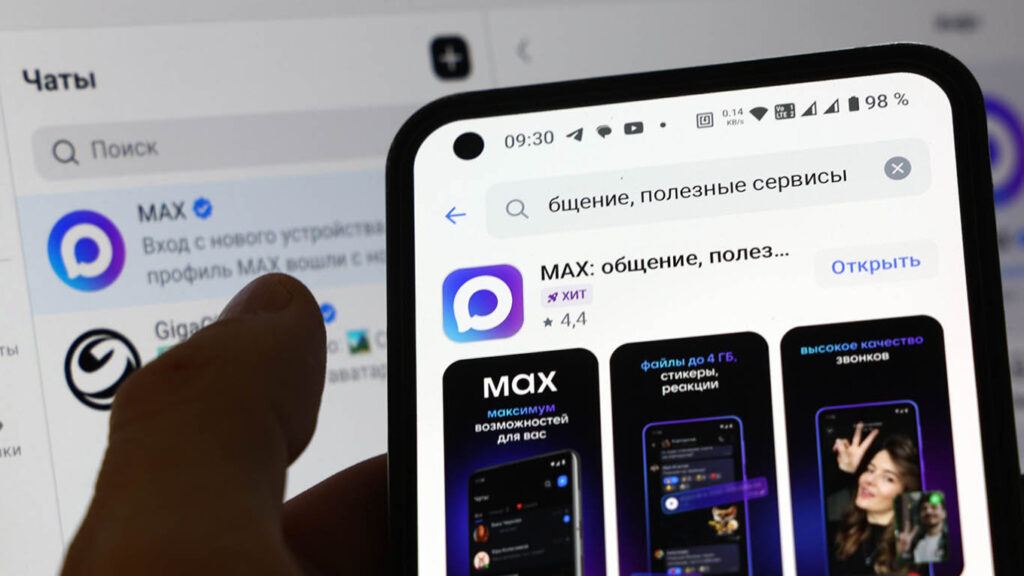
At the center of this strategy is MAX, a government-backed app launched in 2025. MAX combines messaging, digital payments, and access to government services such as medical and municipal appointments. Officials promote it as a convenient all-in-one solution for citizens.
The app is now pre-installed on all new digital devices sold in Russia, making it difficult to avoid. While MAX claims it only shares data after legal review, its policies allow user data to be shared with authorities when required by law. This has raised serious privacy concerns among users and digital rights groups.
WhatsApp vs MAX: A Clear Difference
| Feature | MAX App | |
|---|---|---|
| Ownership | Private company | State-backed |
| Encryption | End-to-end encryption | Not clearly defined |
| Data Access | Strong privacy limits | Data shared on request |
| Extra Features | Messaging and calls | Messaging + government services |
| User Control | High | Limited |
What This Means for Users
Russia’s new internet rules show a growing shift toward state-controlled digital communication. While officials say these measures improve security and compliance, critics argue they reduce privacy and freedom of expression.
In contrast, countries like India have rolled back similar plans after public criticism. This highlights how internet regulation can take very different paths depending on public response.
For now, WhatsApp users in Russia remain in the dark, forced to adapt, find workarounds, or accept a platform closely linked to the state.