
Cybersecurity is changing rapidly, and organizations can no longer rely on passwords alone to protect sensitive data. In 2026, businesses across industries, especially financial institutions, are focusing on passwordless security and phishing-resistant authentication to stay ahead of growing cyber threats.
As phishing attacks become more advanced, traditional login methods are proving less effective. Organizations now need stronger ways to verify user identities while keeping the login process simple and secure.
The Growing Problem with Password-Based Security
For many years, passwords have been the first line of defense against unauthorized access. However, they have also become one of the biggest weaknesses in cybersecurity.
Employees often reuse passwords, choose weak combinations, or fall victim to phishing scams. Even when organizations use multi-factor authentication (MFA), attackers have found ways to bypass security through techniques such as MFA fatigue attacks and credential theft.
As a result, businesses are searching for more reliable alternatives that reduce dependence on passwords altogether.
What Is Passwordless Security?
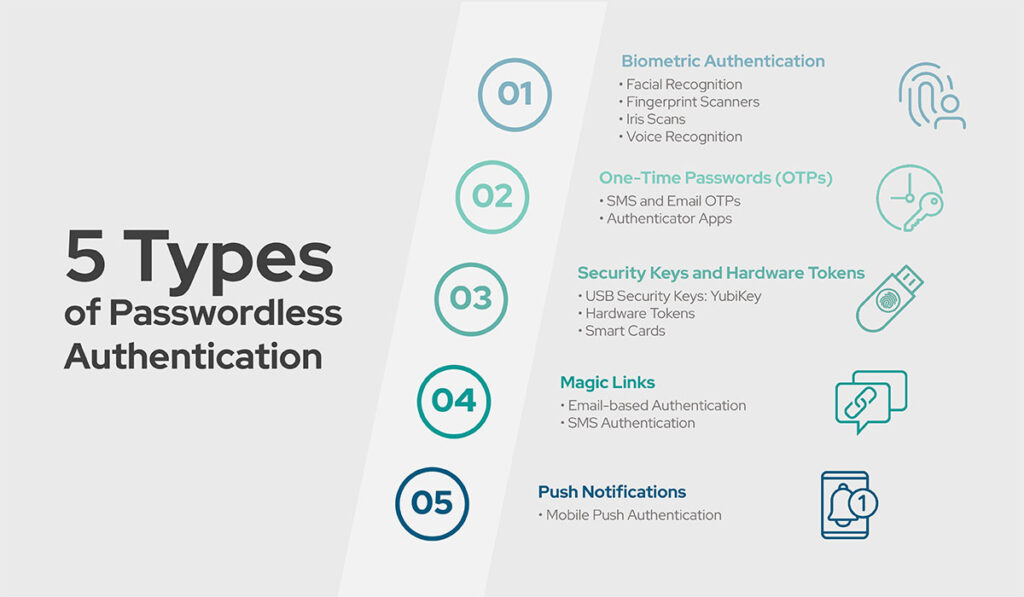
Passwordless security allows users to access systems without entering a traditional password. Instead, authentication is based on methods such as biometrics, security keys, or identity-bound credentials.
By removing passwords from the login process, organizations can eliminate many of the risks associated with stolen or compromised credentials.
Companies that invest in passwordless solutions often see improvements in both security and user satisfaction. This approach also supports modern cybersecurity frameworks such as identity and access management and zero-trust security models.
Understanding Phishing-Resistant Authentication
Phishing-resistant authentication is designed to stop cybercriminals from gaining access through fake login pages, stolen credentials, or social engineering attacks.
Unlike traditional authentication methods, phishing-resistant solutions verify the actual identity of the user. This makes it much harder for attackers to impersonate legitimate users or gain unauthorized access.
For financial institutions handling sensitive customer information, this extra layer of protection is becoming increasingly important.
Passwordless Security vs Traditional Authentication
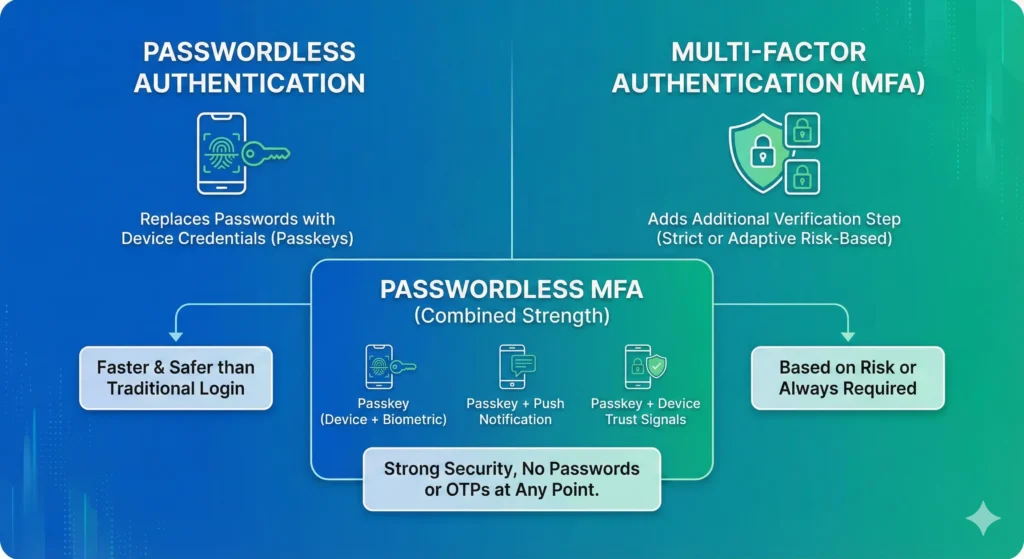
The advantages of modern authentication methods become clear when compared with traditional security approaches.
| Feature | Traditional Authentication | Passwordless Security and Phishing-Resistant Authentication |
|---|---|---|
| Password Requirement | Yes | No |
| Risk of Credential Theft | High | Very Low |
| Vulnerability to Phishing | High | Minimal |
| User Convenience | Moderate | High |
| Password Reset Requests | Frequent | Rare |
| Security Strength | Good | Excellent |
This comparison highlights why many organizations are accelerating their transition to passwordless environments.
Key Benefits for Organizations in 2026
Stronger Protection Against Cyber Threats
Advanced authentication methods help prevent unauthorized access, even when attackers attempt phishing or credential theft campaigns.
Better User Experience
Employees and customers can access systems quickly without remembering complex passwords or dealing with constant password changes.
Lower IT Support Costs
Password-related issues account for a large portion of help desk requests. Passwordless authentication reduces these problems and improves operational efficiency.
Support for Regulatory Compliance
Many industries face strict security requirements. Strong authentication methods help organizations meet compliance standards while protecting sensitive information.
The Future of Digital Identity Security
The move toward passwordless security and phishing-resistant authentication is more than a technology trend. It represents a major shift in how organizations approach cybersecurity.
As cyber threats continue to evolve, businesses need security solutions that focus on verifying identity rather than simply protecting passwords. Organizations that adopt these modern authentication methods in 2026 will be better positioned to improve security, enhance user experiences, and reduce operational risks.