Nvidia’s decision to invest $5 billion in Intel has drawn strong attention across the global semiconductor industry. The deal, which was announced in September and completed recently, brings together two of the most influential American chip companies at a time when the market is changing fast. This move is not about control or takeover. Instead, it is a calculated financial and strategic step that benefits both sides in different ways.
Nvidia confirmed that it purchased Intel shares through a private placement at a fixed price of $23.28 per share. In total, Nvidia bought more than 214 million Intel shares, completing the investment under the earlier agreement.
Why Intel Needed This Investment
Intel has faced several challenges over the past few years. Heavy spending on new manufacturing facilities and delays in execution affected its financial position. While these investments were aimed at long-term growth, they put pressure on short-term performance and investor confidence.
Nvidia’s $5 billion investment acts as a financial lifeline for Intel. It strengthens Intel’s balance sheet and gives the company more flexibility to continue its turnaround efforts. The deal also sends a positive signal to the market that Intel still holds long-term value despite recent struggles.
Nvidia’s Strategy Behind the Deal
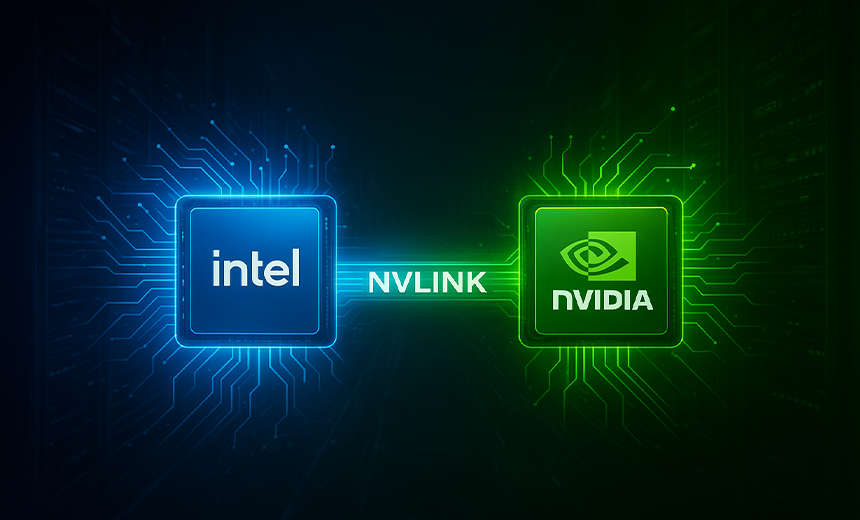
Nvidia is best known for its leadership in AI chip design. However, the company also depends on a strong and stable semiconductor ecosystem. By investing in Intel, Nvidia is supporting a major U.S.-based chipmaker without getting involved in its daily operations.
This move allows Nvidia to reduce long-term supply risks while maintaining focus on its core AI and data center business. It also reflects a broader strategy where leading tech companies back key partners instead of competing on every front.
Regulatory Clearance and Market Response
Before the deal could be finalized, it required approval from U.S. antitrust authorities. Regulators cleared the investment earlier this month, removing the final hurdle. This approval confirmed that the investment would not harm competition in the chip market.
Following the filing, Nvidia shares showed a slight dip in premarket trading, while Intel’s stock remained mostly unchanged. This reaction suggests that investors had already factored in the deal since its initial announcement.
How Both Companies Benefit
| Area | Nvidia | Intel |
|---|---|---|
| Main Gain | Industry stability | Strong financial support |
| Risk Level | Limited exposure | Reduced cash pressure |
| Core Focus | AI and advanced chips | Manufacturing and recovery |
| Long-Term Impact | Reliable ecosystem | Improved investor confidence |
This comparison highlights how the same deal serves different purposes for each company.
What This Means for the Chip Industry
Nvidia’s move into Intel reflects a larger trend in the semiconductor space. As costs rise and demand for AI chips grows, partnerships and strategic investments are becoming more common. Companies are finding new ways to support each other while staying competitive.
For more insights, readers can explore our analysis on recent semiconductor investments and industry shifts to understand how collaboration is shaping the future.
Final Thoughts
Nvidia’s $5 billion move into Intel is a well-timed and carefully planned decision. It gives Intel the support it needs during a challenging phase and allows Nvidia to strengthen the foundation of the chip industry it depends on. As both companies move forward, this investment may prove to be a defining moment in how major tech firms adapt to a rapidly changing market.