

The CDC’s new vaccine panel has become the center of a national debate as it prepares to review major parts of the childhood immunization schedule. For decades, the vaccine schedule has guided how pediatricians protect children from serious infectious diseases. But this week, the new committee is expected to question long-established practices, including the universal hepatitis B shot for newborns.
Why the Panel’s Shift Matters
The Advisory Committee on Immunization Practices (ACIP), traditionally seen as a trusted authority, has undergone a major transformation after changes in membership. Many medical groups say the panel no longer works closely with long-standing scientific partners, raising concerns about evidence-based decision-making.
Public health experts worry that sudden changes could further decrease childhood vaccination rates. With measles, whooping cough, and other diseases making a comeback, they warn that altering the schedule now could create new risks for communities already facing outbreaks.
The Hepatitis B Birth Dose at the Center of Discussion
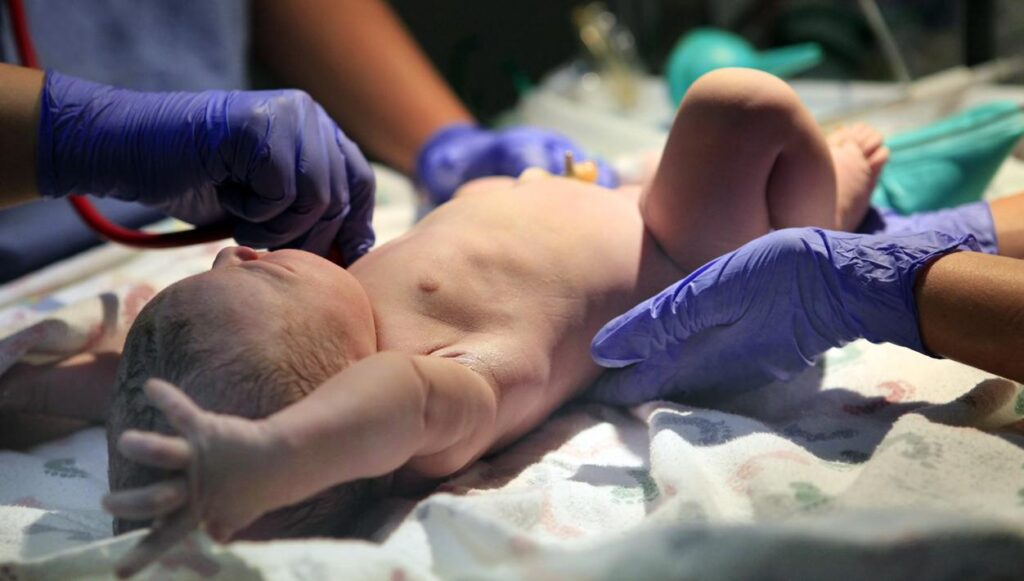
One of the biggest topics is the recommendation that all babies get the hepatitis B vaccine within 24 hours of birth. The panel is considering whether this shot should be delayed or given only after a detailed discussion with parents.
Supporters of the change argue that hepatitis B is mostly spread through sexual contact or drug use, suggesting babies are at low risk. They also point out that some countries do not give the birth dose.
But pediatricians and epidemiologists strongly disagree. They say hepatitis B can also spread through daily household contact, especially from family members who may not know they are infected. Babies who catch the virus face a high chance of lifelong infection and severe liver disease later in life.
Comparison: Universal Birth Dose vs Delayed / Selective Dose

| Topic | Universal Birth Dose | Delayed or Selective Dose |
|---|---|---|
| Protection | Immediate and broad | Higher risk of missed cases |
| Transmission risk | Covers household exposure | Depends on accurate screening |
| Long-term health impact | Reduces chronic liver disease | Higher chance of chronic infection |
| Public health cost | Lower healthcare burden | Higher future treatment costs |
A recent analysis suggests delaying the vaccine by a few months could lead to hundreds of preventable infections and millions in additional healthcare costs each year.
Questions Over Other Vaccines and Ingredients
The panel is also looking at whether vaccines like the MMR — which protects against measles, mumps, and rubella — should be split into separate shots. Doctors warn this would mean more appointments and more needles, increasing the chances that children fall behind on their immunizations.
Another concern is the committee’s interest in ingredients that contain aluminum, which have been used safely in vaccines for nearly a century. Most experts say aluminum exposure from vaccines is extremely small compared with daily exposure from food and the environment. Removing it could make several vaccines less effective and take years to replace.
What This Means for Parents
The upcoming decisions by the CDC’s new vaccine panel may shape childhood health for years to come. Pediatricians stress that every vaccine currently in use has been thoroughly tested for safety and reviewed by independent scientists worldwide.
As discussions continue, parents are encouraged to speak with their child’s doctor, stay updated on official recommendations, and rely on evidence-based guidance to make informed choices.