The gaming industry is heading toward a major change, and 2026 could be the year cloud gaming truly takes over. Rising hardware costs, changing platform strategies, and strong publisher support are all pointing in one direction. Whether players are ready or not, the industry has already made its decision.
For PC gamers, the past few years have been rough. First came the pandemic, followed by global chip shortages. Then graphics cards became nearly impossible to buy due to crypto mining. Now, artificial intelligence workloads are driving RAM prices through the roof. Each new problem has made building or upgrading a gaming PC more expensive than ever.
Why PC Gaming Is Becoming Too Costly
Modern gaming PCs rely on powerful CPUs, GPUs, and plenty of RAM. Unfortunately, RAM prices are rising at an alarming rate. Since RAM is a core part of every system, this cost increase cannot be avoided. Even mid-range builds now feel overpriced for what they offer.
For many gamers, upgrading no longer makes sense. Spending a large amount of money just to keep up with new game requirements feels frustrating. As a result, more players are starting to question whether owning powerful hardware is still worth it.
This is where cloud gaming enters the picture.
How Cloud Gaming Solves the Hardware Problem
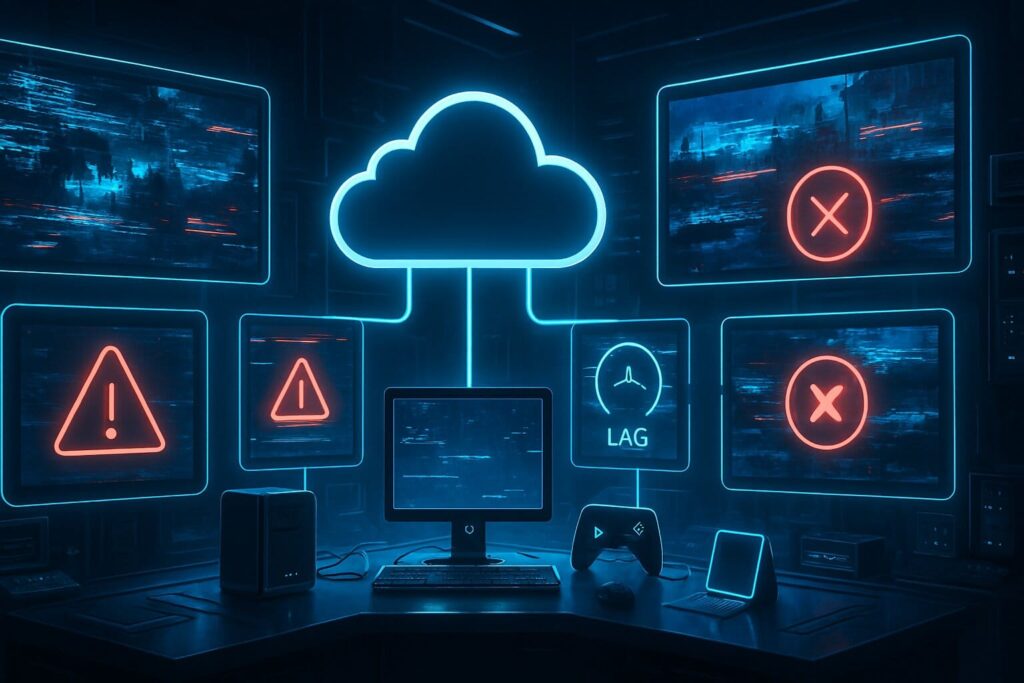
Cloud gaming removes the need for expensive local hardware. Instead of running games on your own PC, the game runs on powerful remote servers. All you need is a stable internet connection and a supported device.
If you cannot afford to build a gaming PC, you can still play high-end games using someone else’s hardware. This idea is becoming more appealing as costs continue to rise. Platforms are investing heavily in cloud infrastructure, making performance better and latency lower than before.
Publishers also benefit from this shift. Cloud gaming reduces piracy, simplifies updates, and opens games to a wider audience. From a business point of view, the cloud is very attractive.
Cloud Gaming vs Traditional PC Gaming
To understand why cloud gaming is gaining momentum, it helps to compare it directly with traditional PC gaming.
| Feature | Traditional PC Gaming | Cloud Gaming |
|---|---|---|
| Upfront Cost | Very high | Low or none |
| Hardware Upgrades | Frequent and expensive | Not required |
| Game Performance | Depends on hardware | Depends on internet |
| Portability | Limited | Play on multiple devices |
| Maintenance | User-managed | Platform-managed |
This comparison shows why cloud gaming feels like the practical choice for many players.
Platform Strategy Is Driving the Change
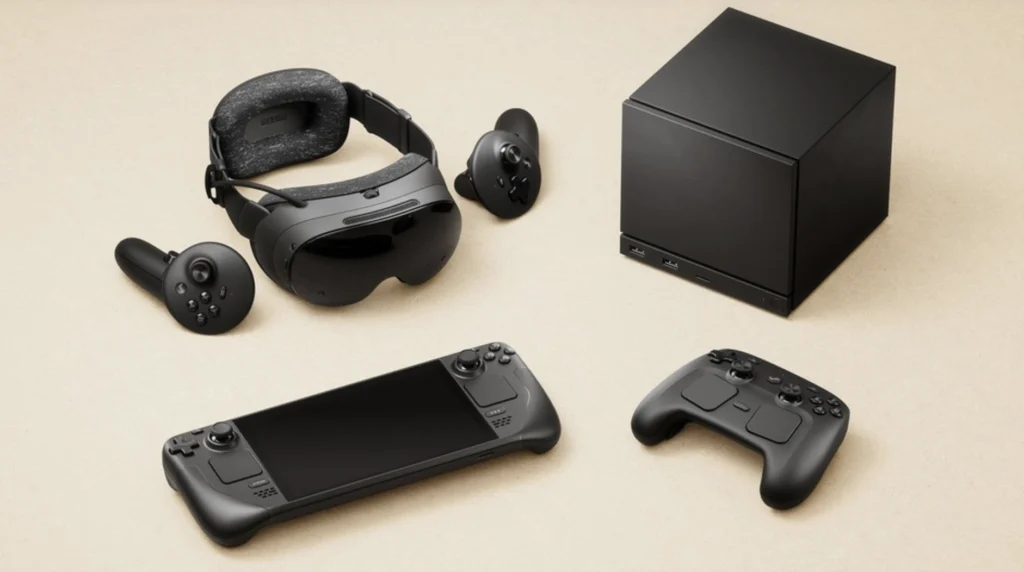
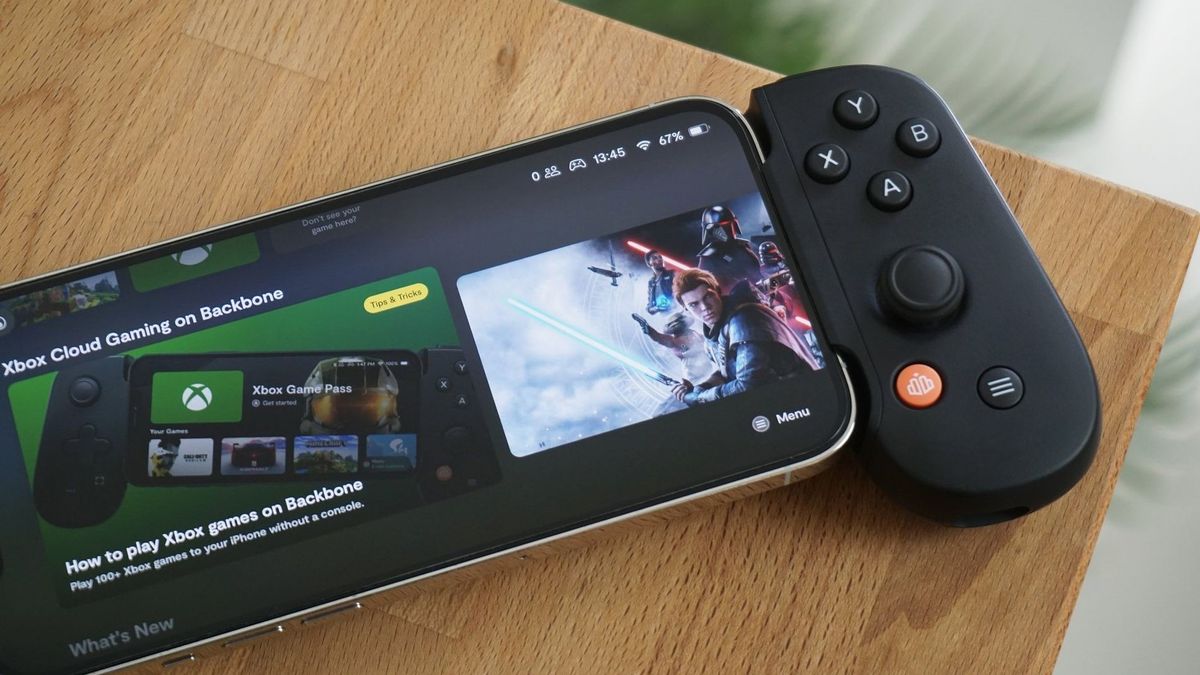
Major gaming platforms are clearly investing in cloud-first strategies. Controllers, mobile support, and cross-device play are becoming standard features. This shift is not accidental. Companies know that rising hardware prices will push more users toward cloud-based solutions.
Internal platform ecosystems are also being designed around cloud access, subscriptions, and shared libraries. This makes it easier for players to stay within one platform without owning powerful hardware.
What This Means for Gamers in 2026
By 2026, cloud gaming may no longer be optional. For many players, it will be the most affordable and accessible way to play new games. While some gamers will always prefer local hardware, the industry’s direction is clear.
Cloud gaming may not be perfect, but in a world of rising costs, it could become the default way to play. The cloud is not waiting for approval, and the future of gaming is already loading.