
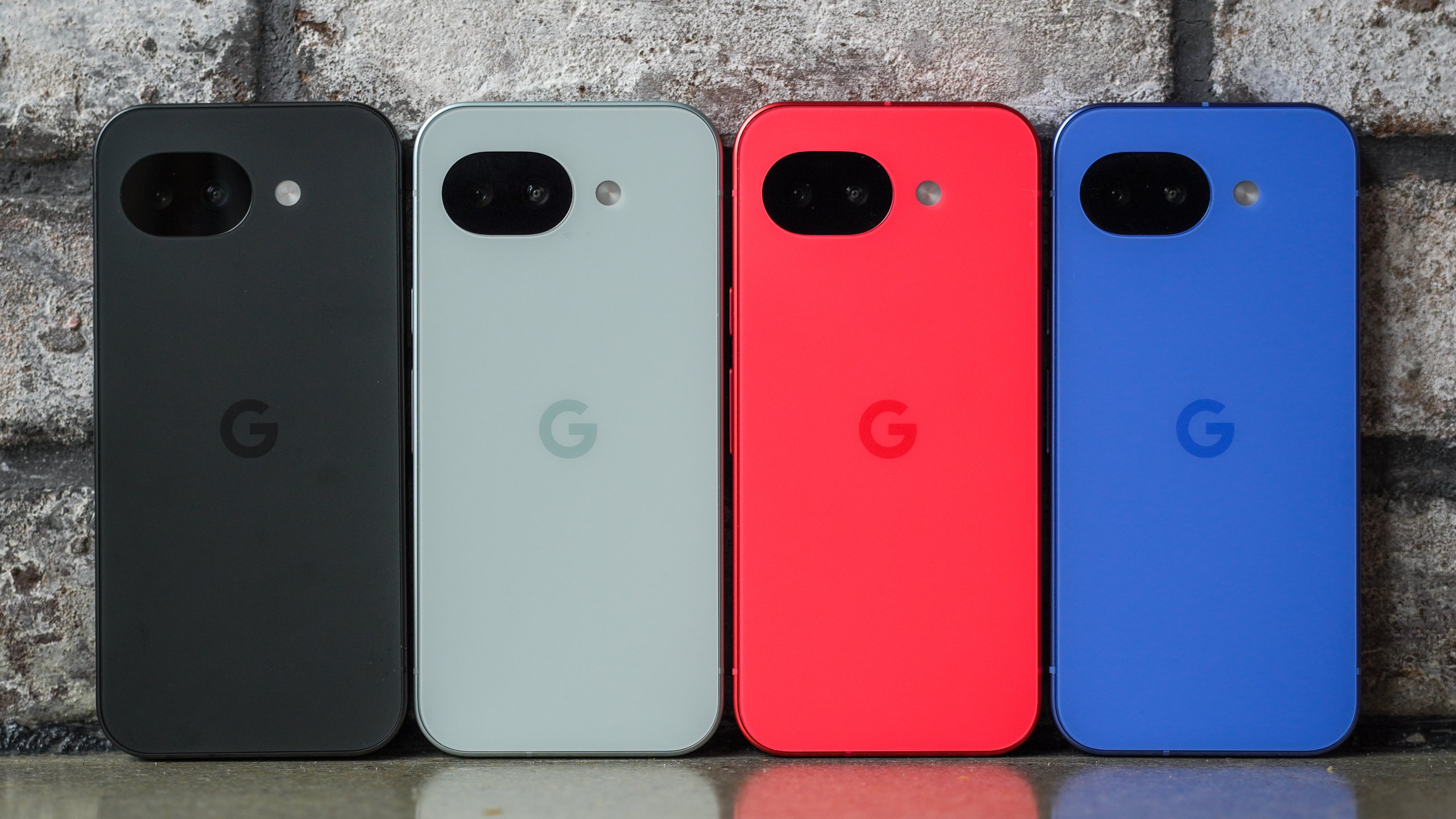
The mid-range smartphone market continues to grow, and Google has strengthened its position with the launch of the Pixel 10a. At first look, the Google Pixel 10a vs Pixel 9a comparison feels very close because both phones share many features. However, a few small upgrades may still influence buyers who are planning to upgrade.
In this post, we will break down the key differences between the Pixel 10a and Pixel 9a in simple terms to help you decide which phone fits your needs better.
Design and Build: Small but Noticeable Changes
The Pixel 10a and Pixel 9a look almost identical with flat edges and rounded corners. Both devices are comfortable to hold and carry. The Pixel 10a comes with slightly slimmer bezels and a fully flat back design, giving it a cleaner and more modern look.
Another important improvement is the stronger display protection. The Pixel 10a uses newer glass from Corning, making it more durable than the Pixel 9a. Both phones still offer IP68 water and dust resistance, which is great for daily use.
Overall, the design upgrade is small but practical.
Display: Brighter Viewing Experience
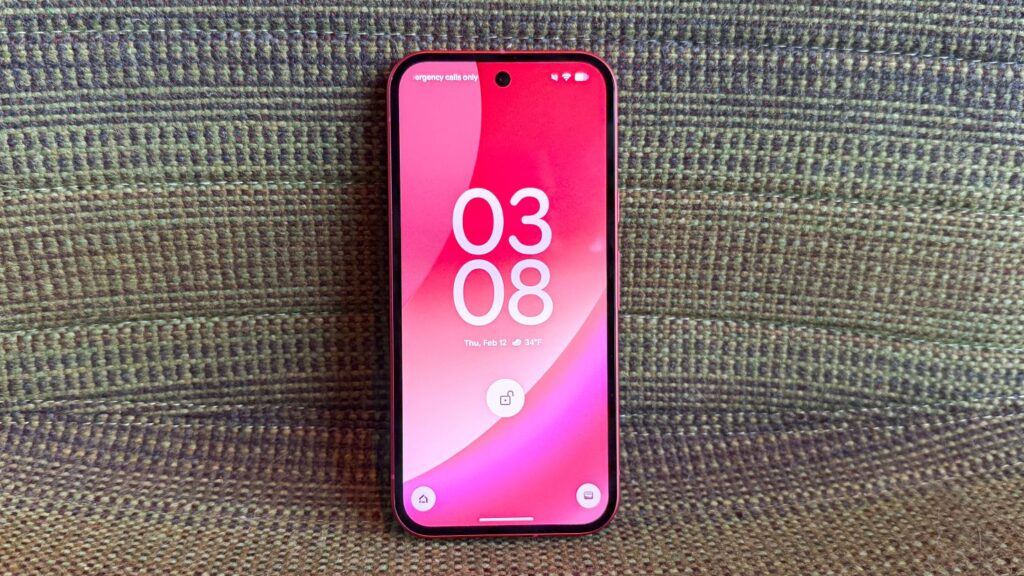
Both smartphones feature a 6.3-inch OLED display with a 120Hz refresh rate, which means smooth scrolling and sharp visuals. The main difference is brightness.
The Pixel 10a reaches up to 3000 nits brightness, while the Pixel 9a offers 2700 nits. This makes the Pixel 10a slightly better for outdoor usage, especially under direct sunlight.
Performance: Almost the Same Power
When comparing Google Pixel 10a vs Pixel 9a performance, there is almost no difference. Both devices use the same Tensor G4 processor with 8GB RAM. Daily tasks such as gaming, browsing, and multitasking feel smooth on both phones.
Storage options also remain the same: 128GB and 256GB.
Since the processor is unchanged, users upgrading from Pixel 9a may not notice any speed improvement.
Quick Comparison: Pixel 10a vs Pixel 9a
| Feature | Pixel 10a | Pixel 9a |
|---|---|---|
| Processor | Tensor G4 | Tensor G4 |
| Display Size | 6.3-inch OLED | 6.3-inch OLED |
| Brightness | 3000 nits | 2700 nits |
| Camera | Same hardware | Same hardware |
| Battery | 5100mAh | 5100mAh |
| Charging Speed | Faster | Standard |
| Special Feature | Satellite SOS | Not available |
Camera: Software Improvements Only
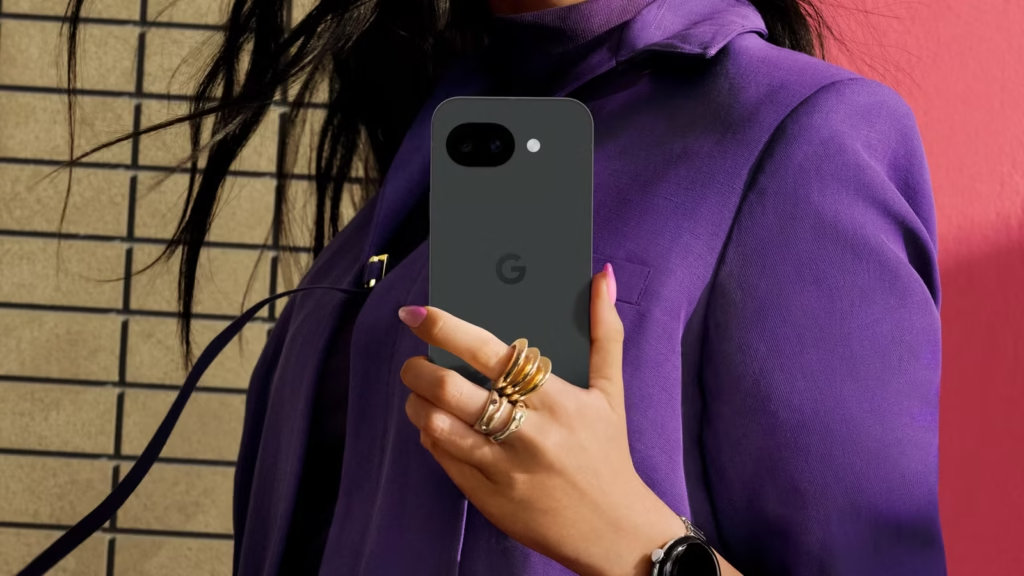
Both phones include the same camera hardware: a 48MP main sensor and a 13MP ultra-wide camera. Photo quality remains excellent, especially in low light.
The Pixel 10a adds new AI-based features like Camera Coach and Automatic Best Take. These tools help improve group photos and guide users while shooting. However, the real-world difference is not very large.
Battery and Charging: Slight Upgrade
Battery capacity remains 5100mAh on both models. However, the Pixel 10a supports faster charging speeds, which helps reduce charging time. Battery life is expected to stay similar for both devices.
Connectivity: The Most Useful Upgrade
The biggest improvement in the Pixel 10a is satellite-based emergency SOS support. This feature allows users to send emergency messages even without a mobile network. For travelers and outdoor users, this can be very helpful.
Final Verdict: Should You Upgrade?
The Google Pixel 10a vs Pixel 9a comparison shows that both phones are very similar. The Pixel 10a offers a brighter display, stronger glass, faster charging, and satellite emergency connectivity. These are useful improvements, but not major upgrades.
If you already own the Pixel 9a, upgrading may not be necessary. However, if you are buying a new mid-range phone, the Pixel 10a is the better long-term choice.
For more device comparisons, you can also explore our smartphone comparison section and latest Android phone updates.