
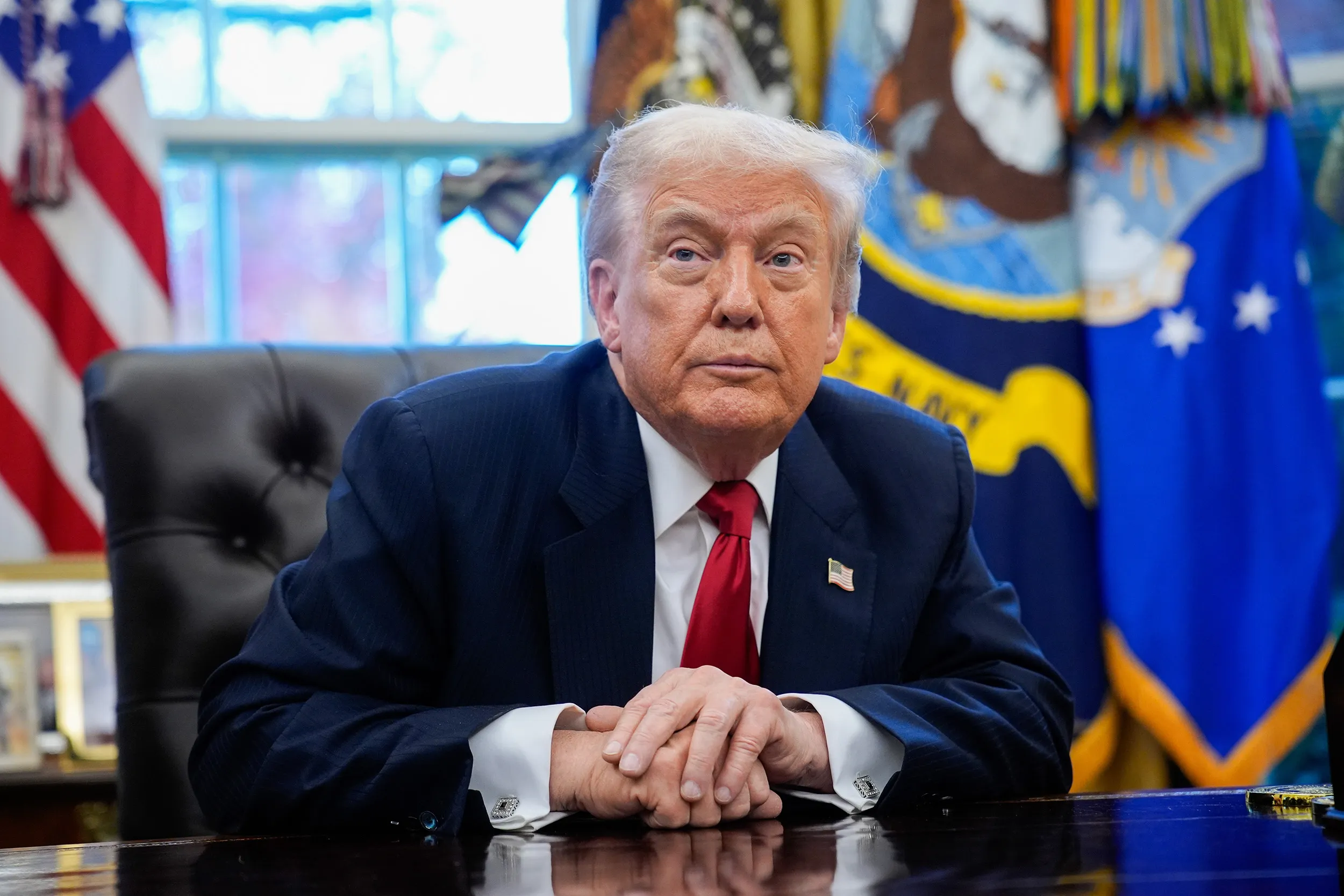
Health care reform is once again in the national spotlight after President Donald Trump released a new health policy outline from the White House. The proposal brings together several ideas the president has supported before, while presenting them under a single framework aimed at reducing costs and increasing transparency. The administration says the plan is designed to shift power away from large corporations and put everyday Americans first.
A Renewed Focus on Prescription Drug Prices
Lowering prescription drug prices is a central part of Trump’s new health care outline. The president is urging Congress to turn his “most favored nation” drug pricing policy into law. If passed, this policy would require drug manufacturers to lower prices in the United States to match the lowest prices charged in other countries.
The White House argues that Americans should not pay more for the same medicines than patients elsewhere. Supporters believe this move could lead to meaningful savings for families, especially those who rely on long-term medications. However, this proposal is expected to face strong opposition from the pharmaceutical industry.
Changes to Affordable Care Act Subsidies
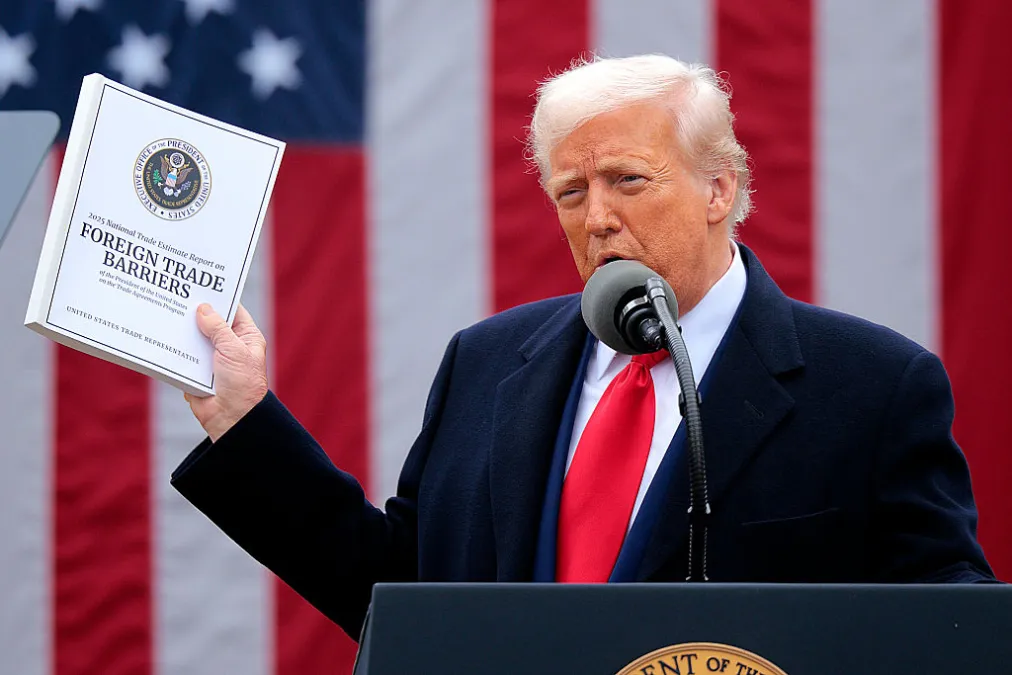
Another major element of the plan involves how Affordable Care Act subsidies are handled. Instead of sending subsidy funds directly to insurance companies, the proposal suggests directing this money into Health Savings Accounts, or HSAs. According to the administration, this change would give individuals more control over how their health care dollars are spent.
The plan also supports funding the ACA’s cost-sharing reduction program. This step is intended to help lower insurance premiums and reduce out-of-pocket expenses, particularly after the expiration of enhanced tax credits that had been temporarily in place.
Pushing for Transparency Across the Health System
Transparency plays a key role in the new policy outline. Insurance companies would be required to publish clear and simple comparisons of their rates and coverage options. These details must be written in plain language, making it easier for consumers to understand what they are paying for.
Insurers would also need to disclose how much of their revenue goes toward medical care versus company profit. In addition, hospitals and doctors’ offices that accept Medicare or Medicaid would be required to publicly post their costs. The administration believes this openness will encourage competition and help patients make better-informed choices.
Current System vs Proposed Changes
| Area | Current Approach | Proposed Outline |
|---|---|---|
| Drug Pricing | Higher U.S. prices | Prices tied to global lows |
| ACA Subsidies | Paid to insurers | Sent to HSAs |
| Insurance Clarity | Complex terms | Plain-language details |
| Provider Costs | Often unclear | Publicly posted prices |
Political Challenges Ahead
President Trump has asked Congress to pass the health care outline into law. While some parts align with long-standing Republican goals, others are expected to face resistance from lawmakers, insurers, and medical providers. The debate is likely to be intense, especially around drug pricing rules and transparency requirements.
For readers following broader policy changes, this proposal connects closely with ongoing health care reform discussions and insurance affordability efforts already shaping the 2026 policy agenda.
Conclusion
Trump’s new health policy outline signals a renewed push to reform the U.S. health care system. By focusing on lower drug prices, greater consumer control through HSAs, and clear pricing information, the plan aims to reduce costs and simplify health care decisions. Whether Congress can turn this outline into law remains uncertain, but health care reform has clearly returned as a major national issue.