Meta Description: Tensions in the Middle East spike as Iran launches retaliatory strikes following joint US and Israel military action. Learn how the conflict is developing, its impact, and global reactions in clear, simple terms.
The Middle East is experiencing a dangerous new phase of conflict after Iran launched retaliatory strikes in response to coordinated military action by the United States and Israel. The situation has put the entire region on edge, raising fears of wider instability and potential humanitarian crises.
What Sparked the Retaliation?
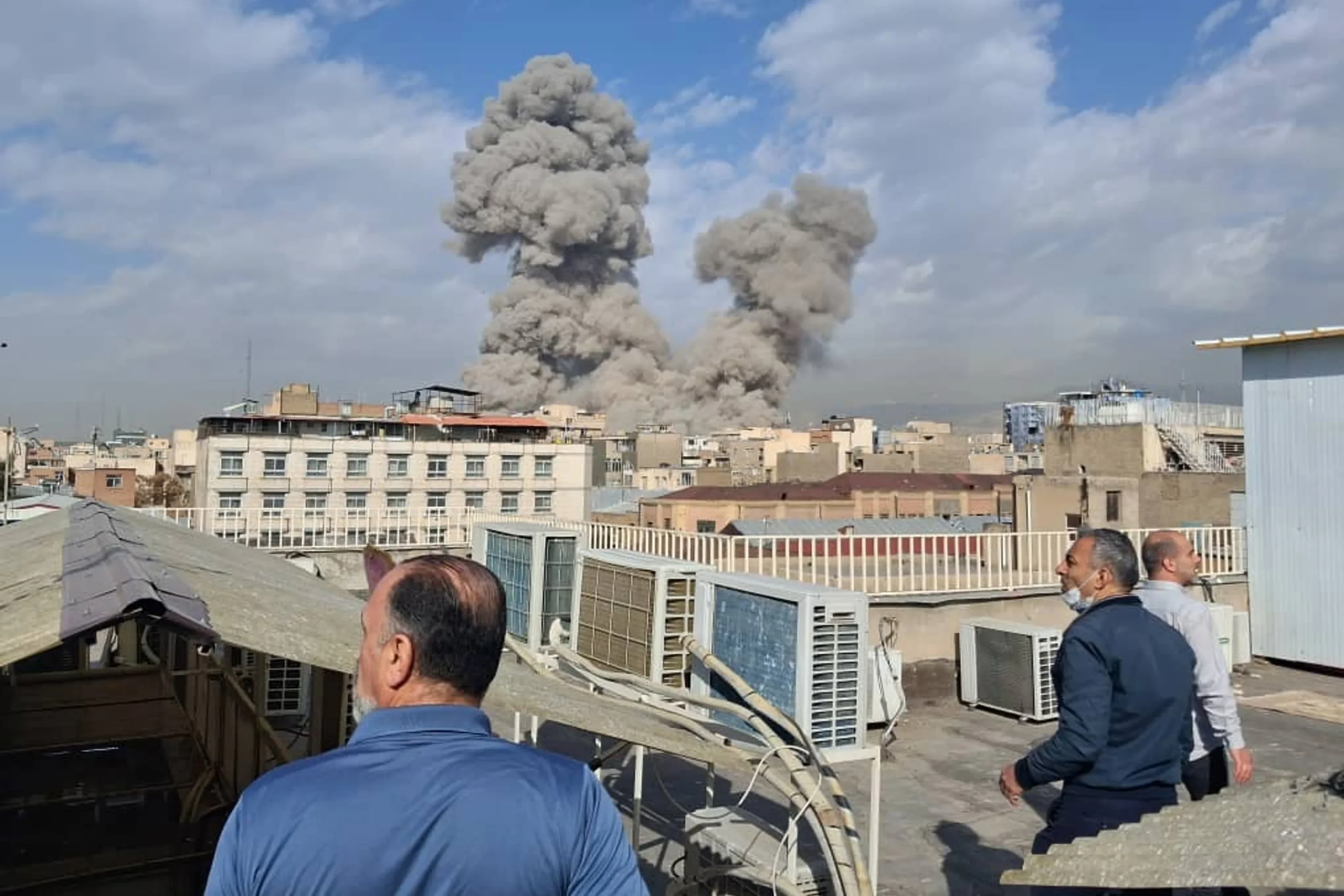
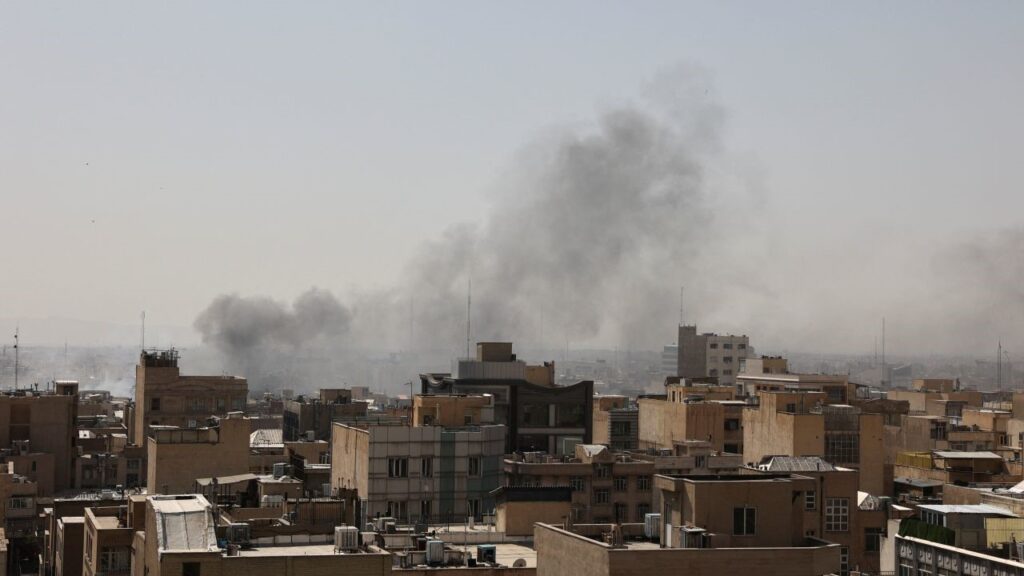
On 28 February 2026, the United States and Israel carried out joint strikes inside Iran. According to official statements, these strikes — often described as a pre-emptive operation — targeted key military sites and leadership infrastructure. Iranian cities including Tehran, Isfahan, and Tabriz were hit, leading to widespread explosions and damage. Iran’s leadership called the attack a violation of its sovereignty.
In response, Iran launched missiles and drones toward Israel and various US military bases across the Middle East. The strikes reached bases located in Gulf countries such as Qatar, United Arab Emirates, Kuwait, and Bahrain.
Impact on Daily Life
In Israel, the government declared a state of emergency, shut schools, banned large gatherings, and placed civilians on high alert. Hospitals moved patients into underground shelters as a precaution.
In the Gulf region, air defenses intercepted many incoming missiles, but debris from interceptions caused casualties and damage in some areas, including the capital of the UAE where at least one civilian death was reported.
Meanwhile, nations that host foreign military forces are scrambling to protect civilian infrastructure while balancing diplomatic relations.
Regional and Global Reactions
The strikes and counterstrikes have prompted mixed responses:
- Russia condemned the joint US-Israel attack, calling it “unprovoked aggression,” and urged a halt to hostilities.
- Some Gulf states criticized Iran’s breach of their sovereignty, with several affirming their right to defend themselves against future incursions.
- Pakistan called for an immediate end to the escalation and stressed the importance of diplomacy.
How This Escalation Compares
| Area of Impact | US & Israel Action | Iran’s Retaliation |
|---|---|---|
| Target Locations | Military infrastructure in Iran | US and Israeli bases across the Middle East |
| Immediate Effect | Damage in Iranian cities | Missile and drone alerts in Gulf and Israeli airspace |
| Civilian Risk | Displaced and scared populations | Air defenses triggered; debris hazards |
| Global Response | Mix of support and condemnation | Widespread regional concern |
This comparison shows how both sides are executing military strategies that risk civilian harm while political leaders scramble to justify their actions.
What This Means Going Forward
The recent wave of strikes has paused diplomatic talks and deepened mistrust. Previous negotiations between the US and Iran aimed to limit nuclear development were already fragile, and military operations have significantly complicated the path to peace.
The current conflict illustrates how quickly military tensions can expand, affecting not just the combatants but also neighbouring countries and global politics.
Civilians throughout the region are caught in the uncertainty as governments issue safety advisories and prepare for further escalation. As the situation continues to unfold, many analysts point out the urgent need for diplomatic channels to reduce the risk of a broader war.
For now, the Middle East remains on edge as the world watches closely to see how these retaliatory strikes will shape the future of regional stability.