

Retail is changing faster than ever. With the rise of agentic commerce, shopping is no longer just about searching and clicking. AI agents can now research products, compare options, apply offers, and even complete purchases on behalf of shoppers. For retailers, this shift brings new challenges, but also powerful opportunities to grow faster and sell smarter.
In 2026, new technologies and open standards are helping retailers stay visible, connect with ready-to-buy customers, and reduce friction across the shopping journey.
A New Open Standard Powering Agentic Commerce
One of the biggest steps forward is the launch of a universal open standard designed for agentic shopping. This standard creates a shared language that allows AI agents, retailers, payment systems, and platforms to work smoothly together.
Instead of building separate connections for every AI system, retailers can now rely on one common framework that supports discovery, checkout, and post-purchase support. This makes integrations simpler, reduces technical effort, and helps brands reach shoppers wherever they are researching.
Most importantly, retailers remain in control. They continue as the seller of record and can customize how the experience looks and works for their business.
Faster Checkout and Fewer Abandoned Carts
Agentic checkout is becoming a major advantage for online stores. Shoppers can now complete purchases directly while researching products, without jumping between multiple pages.
This approach uses secure payment methods already saved by the shopper, making buying quicker and more confident. For retailers, it means fewer abandoned carts and higher conversion rates, especially from customers who are already close to making a decision.
Over time, these experiences will expand globally and include features like loyalty rewards, related product discovery, and personalized shopping flows.
Branded AI Agents: A New Way to Talk to Customers
Another key innovation is the rise of branded AI agents. These act like virtual sales associates, allowing shoppers to chat directly with a brand during critical buying moments.
A branded agent can:
- Answer product questions in the brand’s tone
- Suggest related or substitute items
- Share offers and promotions
- Support direct purchases within the chat
This helps retailers build trust, guide customers, and improve the overall shopping experience. Compared to traditional support tools, branded agents are faster, always available, and scalable.
Smarter Discovery in Conversational Shopping

As shopping becomes more conversational, keywords alone are no longer enough. Retailers now need richer product data to stay discoverable.
New product attributes go beyond basic titles and prices. They include answers to common questions, compatible accessories, and suitable alternatives. This helps AI systems understand products better and surface them at the right moment.
Retailers already investing in strong product feeds will find it easier to adapt. You can also explore related insights in our retail optimization guide to prepare for this shift.
Direct Offers: Reaching Shoppers Ready to Buy
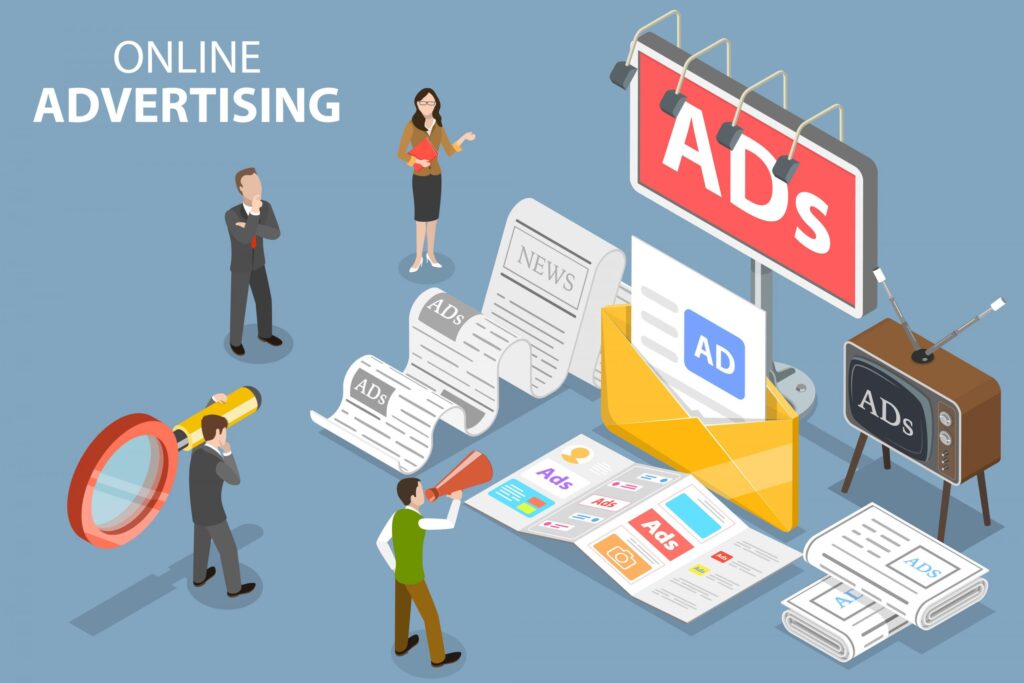
AI-driven discovery is powerful, but price and value still matter. Direct Offers allow retailers to show exclusive discounts directly to shoppers who are most likely to convert.
Instead of generic ads, these offers appear when AI determines they are relevant. Early tests focus on discounts, with plans to expand into bundles and free shipping offers.
Traditional Ads vs Direct Offers
| Feature | Traditional Ads | Direct Offers |
|---|---|---|
| Targeting | Keyword-based | AI intent-based |
| Timing | Early discovery | High purchase intent |
| Value Display | Product focus | Product + deal |
| Conversion Impact | Moderate | Higher |
The Future of Retail Is Agent-Led
Agentic commerce is no longer experimental. It is becoming a core part of how people shop online. Retailers that adopt open standards, AI agents, and smarter offers early will be better positioned to grow in this new era.
AI will power discovery, conversations, and checkout, but success will still depend on trust, relevance, and value. By embracing these new tools today, retailers can build stronger connections with tomorrow’s shoppers.