
Meta Description
Rec Room shutting down highlights the challenges of turning user growth into profit. Discover why the $3.5B gaming platform could not sustain its business.
Rec Room Shutting Down: A Major Shift in Social Gaming
The announcement of Rec Room shutting down has left many gamers surprised. The platform, once valued at $3.5 billion, will officially close on June 1. Despite building a strong community of more than 150 million users, the company could not maintain a profitable business model.
Rec Room became popular by offering a space where users could create games, socialize, and explore virtual worlds. It worked across mobile devices, PCs, consoles, and VR headsets, making it widely accessible.
The Core Reason Behind Rec Room Shutting Down
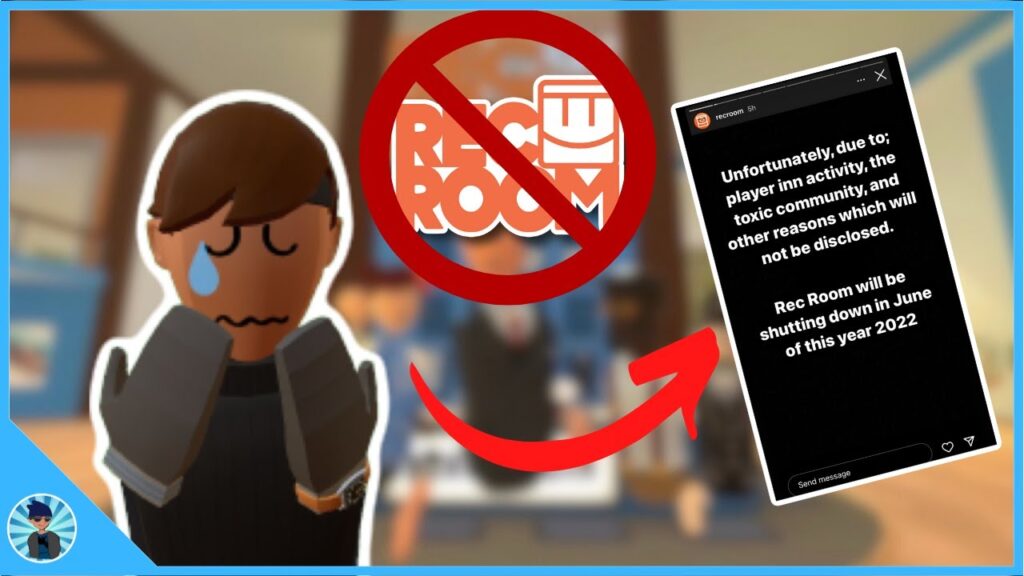
The biggest reason for Rec Room shutting down is its inability to generate consistent profit. While the platform saw massive growth, its costs remained higher than its revenue.
Some of the main issues included:
- High operational and infrastructure costs
- Expensive AI tools introduced for creators
- Low revenue share from user-generated content
- Slower growth in the gaming industry
The company clearly stated that even with its popularity, it could not build a sustainable financial model.
How Growth Failed to Translate Into Revenue
Rec Room’s growth story looked impressive on the surface. Millions of users joined the platform, especially during the pandemic. However, engagement did not convert into strong revenue streams.
The platform relied heavily on user-generated content. While this encouraged creativity, it limited earnings because the company kept only a small portion of each transaction after paying creators and platform fees.
Comparison: Expectation vs Reality
| Factor | Expected Result | Actual Outcome |
|---|---|---|
| User Base Growth | Increased revenue | High users but limited spending |
| AI Features | Boost in innovation and profit | High cost with low financial return |
| Creator Economy | Scalable income model | Thin profit margins |
| Market Expansion | Continuous growth | Slower industry growth |
This mismatch between expectations and actual performance played a key role in the shutdown.
Impact of Market Conditions

The broader gaming market also affected the company. After the pandemic boom, growth slowed across the industry. At the same time, the VR segment faced challenges, making it harder for platforms like Rec Room to expand.
In response, the company reduced its workforce in 2025. These layoffs were meant to control expenses, but they were not enough to fix the underlying financial issues.
What Made Rec Room Different
Rec Room stood out because of its focus on user creativity. It allowed players to design their own games and share experiences without needing advanced skills. This made it appealing to a wide audience.
However, this approach also reduced profitability. Unlike platforms that rely on first-party content, Rec Room earned less from each transaction, making it harder to scale revenue.
Final Thoughts on Rec Room Shutting Down
The story of Rec Room shutting down shows that popularity alone is not enough for long-term success. A platform must balance growth with a clear and sustainable revenue model.
Rec Room succeeded in building a creative and engaging community, but its financial challenges became too large to overcome. For the gaming industry, this serves as a valuable lesson on the importance of profitability, even in fast-growing digital platforms.