
Apple recently celebrated its 50th anniversary, marking half a century of innovation that reshaped technology and everyday life. From a simple computer built by two young dreamers to a company used by 2.5 billion people worldwide, Apple’s journey is one of the most remarkable stories in tech history.
The story of Apple began in California when two young innovators, Steve Jobs and Steve Wozniak, met in the early 1970s. At that time, computers were rare and complicated machines that only experts could use. But their vision was simple: make technology accessible for everyone.
The Beginning of Apple’s Computer Revolution
In 1975, Steve Wozniak built a basic computer made mostly of a circuit board. Steve Jobs saw the potential and suggested selling it. That idea led to the creation of Apple.
Their first computer sold around 150 units, but the next product changed everything. The Apple II became a huge success, selling millions and helping introduce personal computers to homes and businesses.
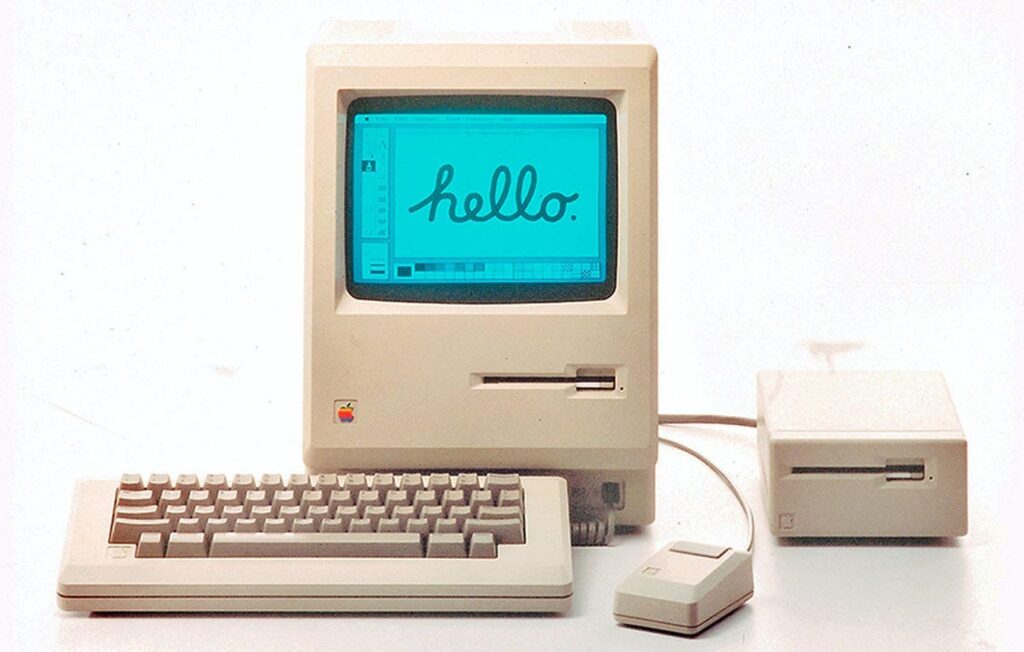
The real breakthrough came in 1984 with the launch of the Macintosh. It was the first affordable computer that used a mouse, graphical interface, and menus, making computers far easier for everyday people to use.
Challenges That Nearly Ended Apple
Despite early success, Apple faced major struggles in the 1990s. After a leadership conflict with then-CEO John Sculley, Steve Jobs left the company. Without his vision, Apple slowly began losing direction.
By the mid-1990s, the company was running out of cash and many believed it might fail. But in 1997, Steve Jobs returned and began one of the greatest business turnarounds in history.
Jobs restructured the company, simplified product lines, and focused on innovation and design.
Apple’s Golden Age of Products
After Jobs returned, Apple entered a period of incredible innovation. Several groundbreaking products defined this era.
| Product | Launch Year | Impact on Technology |
|---|---|---|
| iMac | 1998 | Introduced colorful design and revived Apple’s computer sales |
| iPod | 2001 | Changed how people listen to music and popularized digital music players |
| iPhone | 2007 | Revolutionized smartphones and mobile apps |
| iPad | 2010 | Created a new category of tablet computing |
The iPhone in particular changed the world. It combined a phone, music player, and internet device into one product controlled entirely by touch. Smartphones quickly became essential tools for communication, entertainment, and business.
Entire industries such as ride-sharing, food delivery, and mobile payments grew rapidly because of smartphone technology.
Apple Under Tim Cook
In 2011, after Steve Jobs passed away from pancreatic cancer, Tim Cook became Apple’s CEO. Cook expanded the company’s focus beyond hardware.
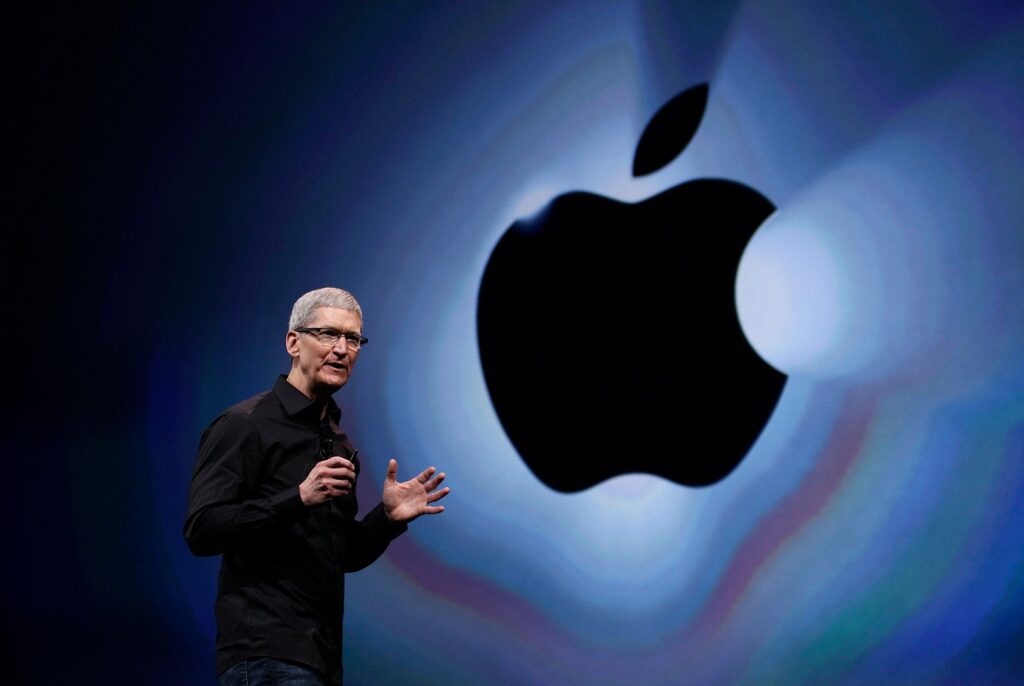
Under his leadership, Apple invested heavily in services such as Apple Music, Apple TV, and Apple Pay. These services now generate over $100 billion annually.
Cook also pushed for sustainability, inclusiveness, and responsible manufacturing practices.
Since Cook took charge, Apple has grown dramatically. The company’s value and global influence have increased while its stock has surged significantly.
Challenges and the Future of Apple
Even after 50 years, Apple still faces challenges. The company depends heavily on manufacturing in China, faces increasing global competition, and is under pressure to innovate faster in artificial intelligence.
However, Apple’s core philosophy remains unchanged: focus on creating products that combine technology, design, and simplicity.
From a small experiment built by two friends to one of the world’s most influential companies, Apple’s story shows how bold ideas and strong vision can change the world.
As the company enters its next chapter, one thing is clear: Apple’s influence on technology and modern life will continue for decades to come.