For years, smartwatches dominated the wearable market. Brands kept adding bigger screens, more apps, and nonstop notifications to attract users. But now, many people are moving back toward something much simpler — screenless fitness trackers.
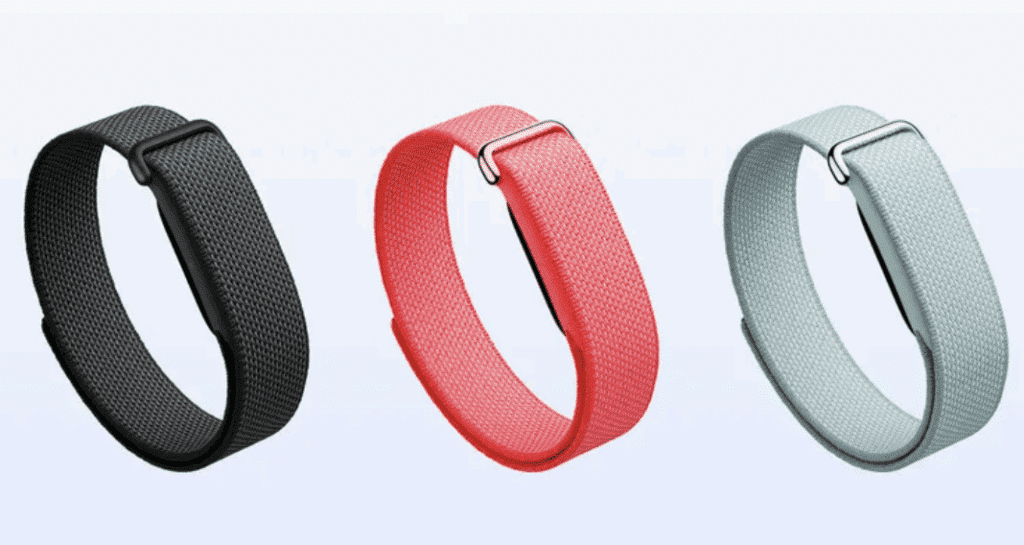
Devices like the Fitbit Air and Whoop 5.0 are becoming popular because they focus on health tracking without distracting users all day.
This shift shows that many consumers now want technology that supports their lifestyle instead of controlling it.
Why People Are Tired of Smartwatches
Smartwatches offer many useful features, but they can also become overwhelming. Constant calls, messages, app alerts, and notifications make users check their wrists repeatedly throughout the day.
Many people originally bought wearable devices to improve their health, sleep, and fitness. Instead, smartwatches often increase screen time and digital distractions.
That is one major reason screenless fitness trackers are returning to the spotlight.
These devices quietly collect health data without demanding attention every few minutes.
What Makes Screenless Fitness Trackers Different
Screenless fitness trackers focus mainly on fitness and wellness. They are designed to stay simple, lightweight, and comfortable for all-day wear.
Most modern screenless trackers offer:
- Sleep tracking
- Heart rate monitoring
- Workout tracking
- Recovery analysis
- Stress monitoring
- Long battery life
Because there is no large display, battery performance is usually much better than smartwatches.
Screenless Fitness Tracker vs Smartwatch
Here is a simple comparison between both wearable categories:
| Feature | Screenless Fitness Tracker | Smartwatch |
|---|---|---|
| Screen | No | Yes |
| Battery Life | 5–14 Days | 1–2 Days |
| Notifications | Minimal or None | Full Notifications |
| Focus | Health Tracking | Multiple Features |
| Distraction Level | Low | High |
| Comfort | Lightweight | Slightly Heavy |
| Best For | Fitness & Wellness | Productivity & Apps |
This comparison explains why many users now prefer simpler wearable devices.
Better Focus on Health and Recovery
Another reason behind the rise of screenless fitness trackers is the growing interest in recovery and overall wellness.
Today, users care more about:
- Sleep quality
- Recovery scores
- Stress management
- Daily movement
- Long-term health tracking
Devices like the Fitbit Air are built around passive tracking. Users do not need to interact with the tracker constantly. Instead, they can review health reports later inside companion apps.
This creates a calmer and more balanced experience.
Affordable and Easy to Use
Screenless fitness trackers are also more affordable than premium smartwatches. Many people do not need advanced apps, mobile payments, or large touchscreens.
They simply want a wearable device that:
- Tracks workouts accurately
- Monitors sleep
- Lasts several days on one charge
- Feels comfortable all day
That is exactly where screenless trackers perform well.
The Future of Wearable Technology
The growing popularity of screenless fitness trackers suggests that users are changing their priorities. Instead of adding more technology to daily life, many people now want simpler products that work quietly in the background.
Brands are finally understanding that not everyone wants another screen attached to their wrist.
As health tracking technology becomes more advanced, screenless fitness trackers may become one of the biggest trends in wearable devices over the next few years.