
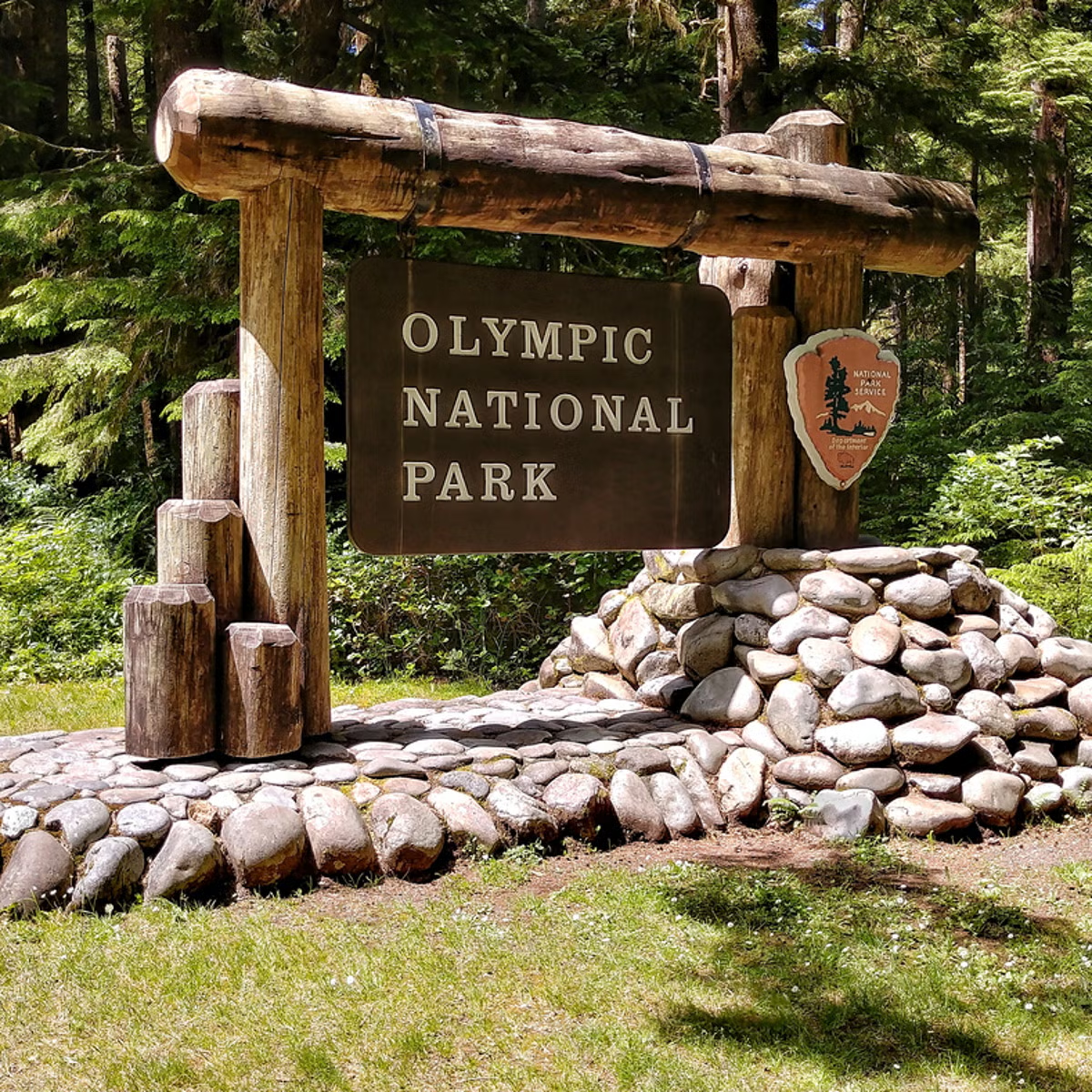
A mystery that lasted more than two decades has finally been solved. Human remains discovered inside a sleeping bag at Olympic National Park in Washington have been identified nearly 26 years after they were found.
The case remained unsolved for years despite several investigation efforts. Thanks to modern DNA testing and forensic genealogy, authorities have now confirmed the identity of the man, bringing long-awaited answers to his family.
How the Remains Were Found
In July 2000, a researcher discovered skeletal remains inside a tent in a remote area of the Sol Duc River drainage within Olympic National Park. The remains were found inside a sleeping bag, and investigators immediately began working to identify the person.
A pathologist later estimated that the man had been dead for anywhere between six months and four years before the discovery. Crime lab experts examined items recovered from the tent, but they were unable to obtain usable fingerprints. As a result, the investigation reached a dead end.
The Breakthrough That Solved the Case
The major breakthrough came in 2024 when investigators submitted a DNA sample for advanced analysis. Using forensic genealogy, experts were able to identify possible family connections and narrow down the search.
Authorities then contacted relatives across several states, including Hawaii. After conducting interviews and collecting reference DNA samples, investigators successfully confirmed the identity of the deceased man.
The remains were identified as Joseph Louis Serrao Jr., a Hawaii native who had been living in Washington before he disappeared.
Investigation Timeline
| Year | Key Development |
|---|---|
| 2000 | Skeletal remains found inside a tent at Olympic National Park |
| 2000-2023 | Multiple investigation efforts failed to identify the victim |
| 2024 | DNA sample submitted for forensic genealogy testing |
| 2026 | Identity confirmed as Joseph Louis Serrao Jr. |
Family Finally Gets Answers
According to family members, they last had contact with Joseph Louis Serrao Jr. in 1998. After that, they never heard from him again and had no information about his whereabouts.
For nearly three decades, his family lived without knowing what happened to him. The identification now provides some closure after years of uncertainty and unanswered questions.
Officials involved in the case praised the dedication of investigators who continued working on the mystery despite the passage of time. Their persistence, combined with advancements in DNA technology, ultimately helped solve a case that once seemed impossible to crack.
What This Case Shows About Modern Forensic Science
This remarkable identification highlights how modern forensic genealogy is changing criminal investigations and missing person cases. Even when traditional methods fail, advanced DNA testing can help uncover family connections and reveal identities years later.
The successful identification of Joseph Louis Serrao Jr. demonstrates the power of scientific progress and the importance of never giving up on unresolved cases. After 26 years, a long-standing mystery at Olympic National Park has finally been answered, giving a family the closure they had been waiting for.