
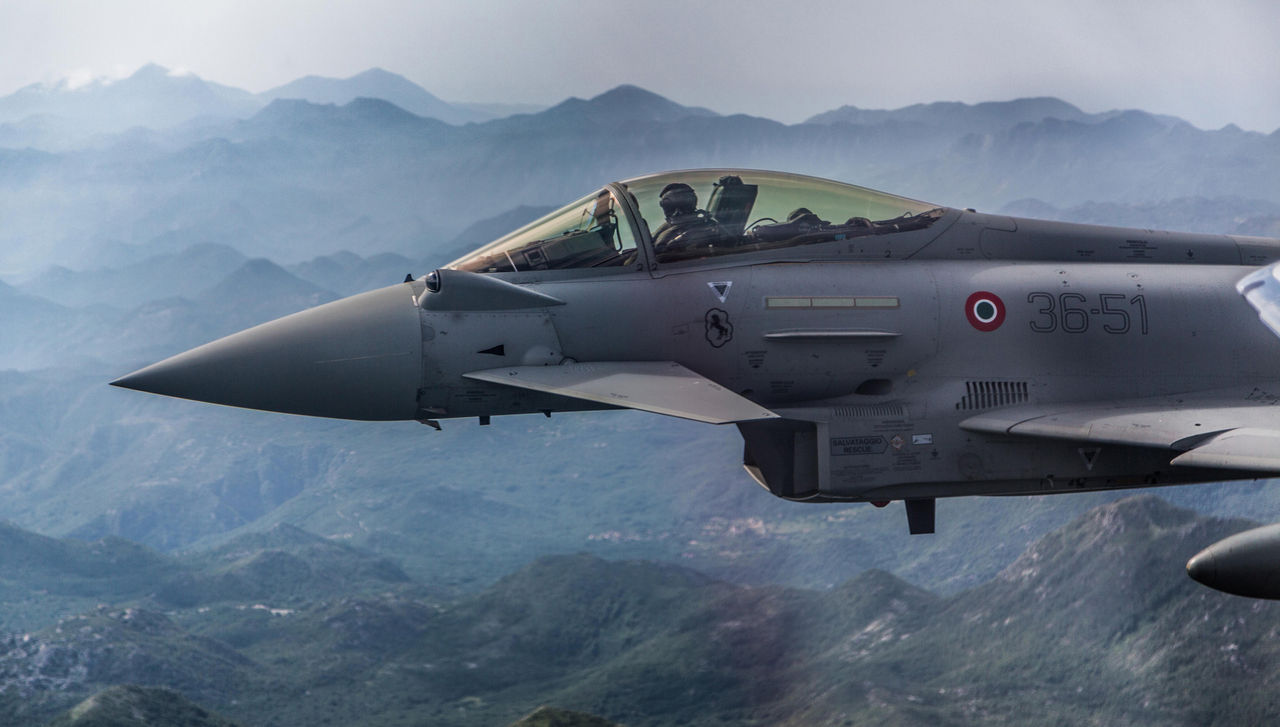
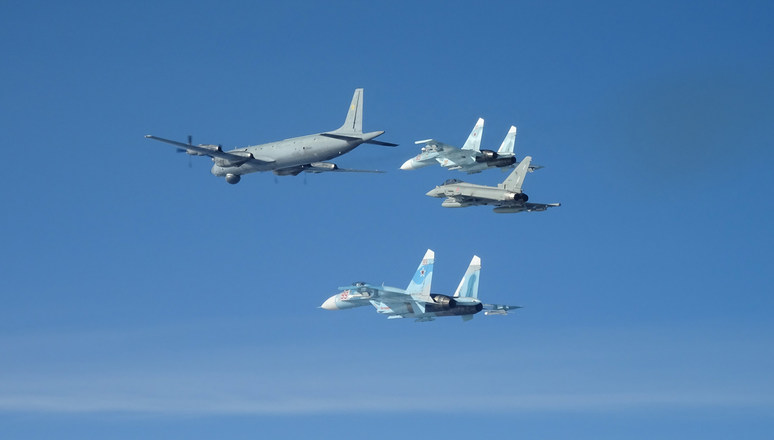
NATO interceptions have become a regular part of military activity in Europe. When NATO fighter jets intercept aircraft, especially from Russia, it raises an important question: what do these actions mean for European security?
These interceptions are not random events. They are planned responses to unknown or uncommunicative aircraft flying close to NATO airspace. Over time, they have become a key part of how Europe maintains safety in its skies.
Why NATO Interceptions Happen
NATO interceptions happen mainly for safety reasons. Many military aircraft fly over international waters without sharing flight plans or using tracking systems. This can create confusion for air traffic control and increase the risk of accidents.
To avoid such risks, NATO sends fighter jets to identify these aircraft. The goal is not to start conflict, but to understand who is flying nearby and why. This helps keep both military and civilian airspace secure.
Impact on European Security
NATO interceptions play a big role in maintaining European security. They act as a strong signal that NATO is alert and ready to respond at any time. This level of readiness helps prevent unwanted surprises.
At the same time, these actions can increase tension. When aircraft from different sides come close to each other, even a small mistake can lead to a serious situation. That is why communication and control are very important during these encounters.
NATO Interceptions vs No Interception Scenario
| Situation | With NATO Interceptions | Without Interceptions |
|---|---|---|
| Airspace Monitoring | Active and controlled | Limited and uncertain |
| Risk of Misunderstanding | Lower due to identification | Higher due to lack of clarity |
| Military Readiness | High | Reduced |
| Safety for Civil Flights | Better managed | Potentially risky |
| Regional Stability | Maintained with caution | More unpredictable |
The Baltic Region and Beyond
The Baltic region is one of the most active areas for NATO interceptions. Countries in this region rely on NATO support to monitor and protect their airspace. These operations are part of a long-term strategy to ensure stability.
Even beyond the Baltic Sea, NATO keeps a close watch on its borders. Interceptions are a routine part of this effort. They show that Europe is not ignoring potential risks.
Challenges and Concerns
While NATO interceptions improve security, they also come with challenges. Frequent military activity can create pressure between nations. It can also lead to misunderstandings if actions are not clearly communicated.
Another concern is the possibility of accidents. When jets fly close to each other at high speed, the margin for error is very small. This makes careful coordination extremely important.
What Lies Ahead
NATO interceptions will likely continue as long as military activity remains high in Europe. They are now a normal part of defense strategy. The focus will be on keeping these operations safe and controlled.
In the future, better communication between countries could reduce tension. However, until that happens, NATO interceptions will remain a key tool for maintaining European security.
In simple terms, NATO interceptions help protect Europe’s skies, but they also remind us of ongoing tensions. The balance between safety and stability will continue to shape the region in the years ahead.